
We Have The Best Solutions for Your Business
2013 Establish
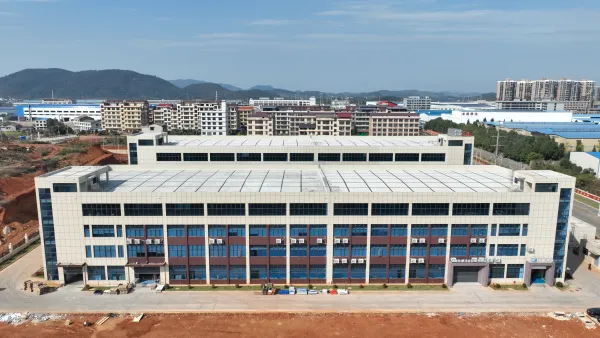
Founded in 2013, grown from Shenzhen's Huaqiangbei and Dongguan to a 100-mu park in Hunan, partnering OPPO, Xiaomi.
66000㎡ Factory Area
66000㎡ smart base integrates R & D, production & storage, with 9 specialized factories.
20000㎡ dust-free space
20000㎡ Class 100/1000 dust-free spaces enable high-precision display production.
ERP/MES
ERP/MES systems optimize production, ensuring a total output of approximately 70W PIC monthly, with a target capacity of 100W PIC.
To the untrained eye, an lcd screen is just a glowing rectangle. But to those of us who have lived and breathed this industry since STMAX was founded in 2016, it is a marvel of optical engineering. I remember when a "good" screen simply meant it didn't flicker. Today, the demands are exponentially higher. Clients want an lcd screen that rivals the human eye in resolution and color depth.
At STMAX, we focus on the "sandwich" structure that makes a great lcd screen. It starts with the backlight. We don't settle for generic LEDs; we source high-efficiency diodes that provide uniform illumination without the dreaded "light bleed" at the edges. Then comes the TFT (Thin Film Transistor) array. We use advanced lithography processes to ensure that the transistors are swift and responsive, eliminating the "ghosting" effect seen on cheaper screens.
One aspect often overlooked is the polarizer. Cheap polarizers degrade under UV light or high heat, turning the lcd screen yellow over time. We use industrial-grade polarizers that maintain their neutrality and transparency for years. This is critical for our clients in the automotive and outdoor kiosk sectors, where the sun is a constant enemy.
We also understand that an lcd screen is rarely used in isolation. It is part of a system. That is why we have integrated touch capabilities directly into the stack (In-Cell and On-Cell technology). By removing the separate digitizer layer, we make the lcd screen thinner and more transparent. This innovation didn't happen overnight; it is the result of years of R&D and listening to what our partners needed.
When you source an lcd screen from STMAX, you aren't just buying glass and liquid crystals. You are buying the peace of mind that comes from a factory that controls its own destiny. We integrate the supply chain to ensure that every component—from the driver IC to the FPC cable—meets our standards. We build screens that we are proud to put our name on, so you can be proud to put them in your products.
Frequently Asked Question
Do you have any question?
A: These refer to the liquid crystal alignment. TN (Twisted Nematic) is fast and cheap but has poor viewing angles. VA (Vertical Alignment) offers great contrast. IPS (In-Plane Switching) provides the best color accuracy and wide viewing angles. STMAX manufactures high-quality IPS lcd screen modules for applications requiring superior visual performance.
A: Yes. While rectangular is standard, we can manufacture a custom lcd screen (bar type, circular, or square) to fit unique industrial designs or wearables. Our R&D team works with you to modify the glass cut and the active area to suit your specific mechanical constraints.
A: We adhere to strict ISO standards regarding pixel defects. For our premium lcd screen lines, we offer "Zero Bright Dot" guarantees. Every screen passes through automated inspection to identify and filter out panels with stuck or dead pixels before they are shipped to you.
A: An industrial lcd screen from STMAX is designed for longevity, typically rated for 50,000 to 100,000 hours of operation (to half-brightness). We use high-quality LED backlights and durable polarizers to ensure the display remains readable even after years of continuous 24/7 use.
A: Yes, we offer complete solutions. In addition to the lcd screen panel itself, we can supply compatible HDMI, VGA, or USB driver boards (controller boards). This "plug-and-display" approach simplifies prototyping and integration for engineers who want to connect our screens to standard PCs or embedded systems like Raspberry Pi.
A: Starting in 2016 allowed us to grow alongside the explosion of mobile technology. We learned the importance of thinness and power efficiency early on. This experience translates into our current lcd screen products, which feature slimmer profiles and lower power consumption, benefits derived from years of process optimization.
Our updates and blog posts
Selecting the Right TFT Display for Industrial Control Systems
Selecting the Right TFT Display for Industrial Control Systems
Designing Reliable Capacitive Touch Panels for Industrial Equipment
Designing Reliable Capacitive Touch Panels for Industrial Equipment
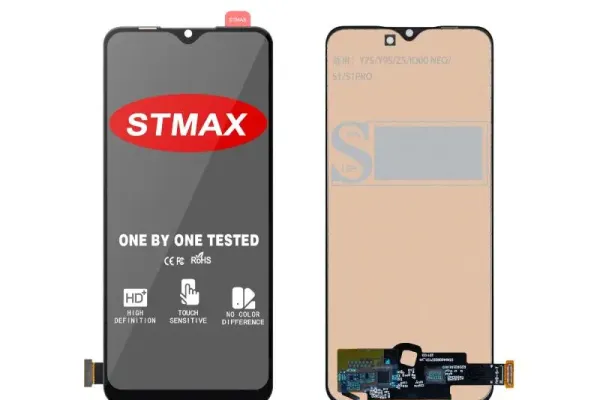
Improving Visibility with High-Brightness Industrial Displays
This article discusses the importance of high-brightness displays in industrial environments. It covers visibility challenges, power efficiency balance, application flexibility, and long-term brightness stability for industrial display systems.