
We Have The Best Solutions for Your Business
2013 Establish
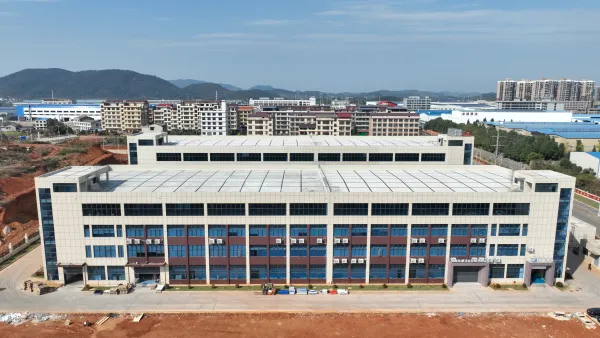
Founded in 2013, grown from Shenzhen's Huaqiangbei and Dongguan to a 100-mu park in Hunan, partnering OPPO, Xiaomi.
66000㎡ Factory Area
66000㎡ smart base integrates R & D, production & storage, with 9 specialized factories.
20000㎡ dust-free space
20000㎡ Class 100/1000 dust-free spaces enable high-precision display production.
ERP/MES
ERP/MES systems optimize production, ensuring a total output of approximately 70W PIC monthly, with a target capacity of 100W PIC.
Mobile Display Assembly: Complete Guide to Display Module Integration
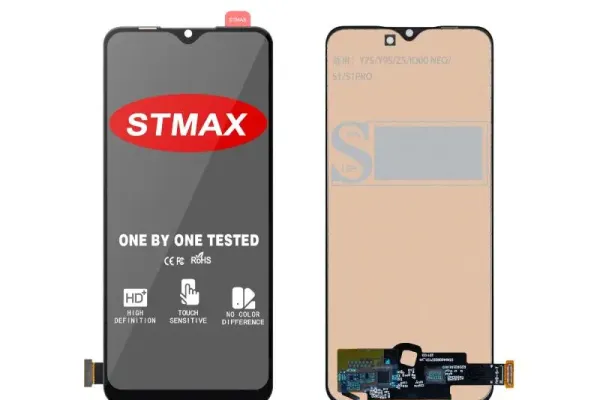
Mobile display assembly refers to the complete display module integrating LCD panel, touch sensor, backlight, driver electronics, and protective cover into a ready-to-integrate unit. Understanding mobile display assembly options, specifications, and integration requirements helps product designers select optimal display solutions. This comprehensive guide covers everything you need to know about mobile display modules.
What is Mobile Display Assembly?
Mobile display assembly combines multiple components into a complete display module:
- LCD Panel: The core display element producing images through liquid crystal technology
- Touch Sensor: Capacitive, resistive, or hybrid touch detection layer
- Backlight Module: LED illumination system providing screen visibility
- Driver Electronics: Driver ICs and circuitry controlling pixel states
- Flexible Printed Circuits (FPC): Electrical connections routing signals
- Cover Lens: Protective glass/plastic layer over the display
- Mechanical Frame: Structural components enabling mounting
Mobile display assembly transforms these discrete components into a tested, integrated unit ready for device integration.
Mobile Display Assembly Technologies
Understanding display technologies guides mobile display assembly selection:
TFT LCD
Thin-Film Transistor Liquid Crystal Display. The most common technology offering good performance at reasonable cost. Variants include TN (fast response), IPS (wide viewing angles), and VA (high contrast).
OLED/AMOLED
Organic Light-Emitting Diode displays. Each pixel emits light individually, enabling perfect blacks, infinite contrast, and thinner profiles. Premium cost premium for superior visual performance.
Flexible/OLED
Flexible substrate displays enabling curved or foldable device designs. Requires specialized mobile display assembly techniques for reliable production.
Key Mobile Display Assembly Specifications
Critical parameters for mobile display assembly selection:
- Size and Resolution: Diagonal measurement and pixel density
- Interface Type: MIPI DSI, RGB, LVDS, or other interface protocols
- Brightness: Luminance output affecting outdoor visibility
- Touch Technology: Capacitive multi-touch vs. other options
- Operating Temperature: Range for reliable operation
Mobile Display Assembly for Different Applications
Mobile display assembly requirements vary by application:
- Consumer Smartphones: Premium aesthetics, thin profiles, high resolution
- Industrial Devices: Extended temperature, long lifecycle, rugged construction
- Automotive: High reliability, temperature extremes, long lifecycle
- Medical: Exceptional quality, traceability, certification compliance
Our Mobile Display Assembly Solutions
We provide comprehensive mobile display assembly solutions:
- Standard catalog displays from 3.5" to 15.6"
- Industrial-grade and automotive-qualified options
- Customization including optical bonding and cover lens design
- ISO 9001-14001 certified manufacturing
- Complete technical support for integration
Explore our LCD assembly complete guide for more detailed information on display technology and integration.
Mobile Display Assembly Solutions | Standard & Custom | ISO 9001-14001
Frequently Asked Question
Do you have any question?
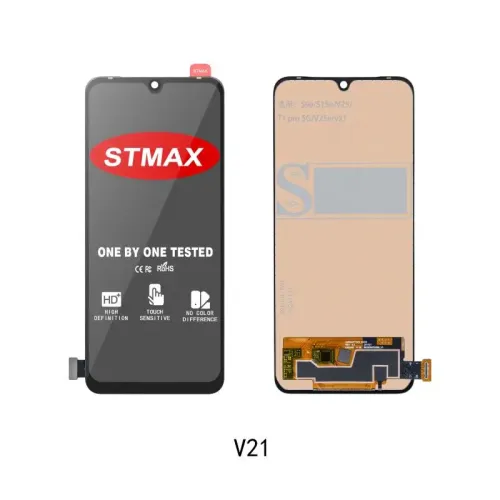
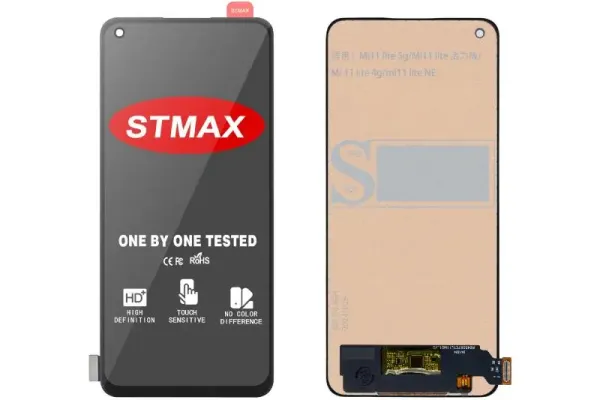
A: A standard mobile display assembly from STMAX includes the LCD/OLED panel, the touch digitizer glass, the backlight unit, and the mounting frame. Depending on the model, we also pre-install small parts like the ear speaker mesh, camera bracket, and sensor holders to save you installation time.
A: We use industrial-grade cold-press technology to bond the frame to the glass. This ensures that the mobile display assembly is structurally rigid and resistant to separation, a common issue with cheaper hot-melt glue alternatives. Our assemblies are built to withstand the daily stresses of mobile usage.
A: Yes. We offer flexible ordering for our B2B partners. You can combine various mobile display assembly models—covering major brands like Apple, Samsung, and Huawei—into a single shipment. This helps you maintain a balanced inventory without overstocking on a single SKU.
A: These terms refer to where the touch sensor is located. Incell integrates the touch sensor inside the LCD layer, making the mobile display assembly thinner and more responsive, similar to original screens. STMAX specializes in high-quality Incell technology to provide a near-OEM user experience.
A: We have a straightforward warranty policy. If a mobile display assembly is found to have a manufacturing defect (like dead pixels or touch failure) before installation, we offer a replacement or credit. We value long-term partnerships and aim to make the RMA process as hassle-free as possible.
A: Yes, we support the "long tail" of the market. While we focus on the latest models, we continue to manufacture mobile display assembly units for popular legacy devices. This allows repair shops to service a wider range of customers who are keeping their older phones for longer.
Our updates and blog posts
Selecting the Right TFT Display for Industrial Control Systems
Selecting the Right TFT Display for Industrial Control Systems
Designing Reliable Capacitive Touch Panels for Industrial Equipment
Designing Reliable Capacitive Touch Panels for Industrial Equipment
Improving Visibility with High-Brightness Industrial Displays
This article discusses the importance of high-brightness displays in industrial environments. It covers visibility challenges, power efficiency balance, application flexibility, and long-term brightness stability for industrial display systems.