
We Have The Best Solutions for Your Business
2013 Establish
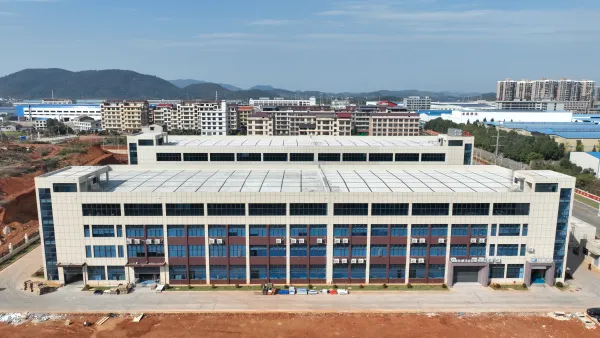
Founded in 2013, grown from Shenzhen's Huaqiangbei and Dongguan to a 100-mu park in Hunan, partnering OPPO, Xiaomi.
66000㎡ Factory Area
66000㎡ smart base integrates R & D, production & storage, with 9 specialized factories.
20000㎡ dust-free space
20000㎡ Class 100/1000 dust-free spaces enable high-precision display production.
ERP/MES
ERP/MES systems optimize production, ensuring a total output of approximately 70W PIC monthly, with a target capacity of 100W PIC.
I remember the early days of repair when technicians would spend hours trying to use UV glue to stick a glass lens onto an LCD. It was messy, it smelled bad, and the failure rate was huge. Since STMAX started in 2016, the industry has shifted decisively toward the complete screen assembly. And for good reason.
A modern screen assembly is a triumph of precision manufacturing. It’s not just about sticking layers together; it’s about alignment. We use high-precision cameras to align the pixel grid of the LCD with the sensor grid of the digitizer. If this alignment is off by even a fraction of a millimeter, you get parallax issues or touch inaccuracy at the edges. You simply cannot replicate this precision on a repair bench.
We also focus heavily on the "frame bond." This is the structural glue that holds the glass to the plastic or metal chassis. In the past, this was a weak point. Screens would pop out. Today, at STMAX, we use PUR (Polyurethane Reactive) hot-melt adhesives dispensed by robots. This creates a bond that is incredibly strong yet flexible enough to absorb shock. When you buy an STMAX screen assembly, you are getting a structurally sound unit that won't fall apart.
Furthermore, we integrate the "hidden" components. Backlight filters, polarization layers, and EMI shielding tapes are all built into our screen assembly. We source these materials from the same supply chain used by the big OEMs. We don't cut corners on the things you can't see, because we know they affect the longevity of the device.
For our industrial clients, the screen assembly often includes the front bezel or housing. We provide a "drop-in" solution. You unscrew the old front, unplug the cable, plug in the new STMAX unit, and screw it back on. Downtime is reduced from hours to minutes. That is the value of professional integration.
Frequently Asked Question
Do you have any question?
A: A full screen assembly includes the glass, digitizer, LCD, and often the frame, all pre-bonded. Buying just the LCD requires you to separate the old glass and glue the new one, a difficult process requiring expensive machinery. A complete assembly saves time, reduces risk, and guarantees a factory-quality seal.
A: Yes. In addition to mobile phones, we manufacture screen assembly units for popular tablets (like iPad and Samsung Tab) and select laptop models. These large-format assemblies undergo strict planarity testing to ensure they don't warp or bend after installation.
Customization is a core strength. We can build a screen assembly with specific brightness requirements, custom cover glass (with your logo), or ruggedized frames for industrial handhelds. Our engineering team works with you to define the specs and bring your custom display to mass production.
Dust is the enemy. All STMAX screen assembly manufacturing takes place in Class 1000 and Class 100 clean rooms. We use automated robotic arms for the lamination process to minimize human contact and contamination, ensuring a flawless visual experience.
Our updates and blog posts
Selecting the Right TFT Display for Industrial Control Systems
Selecting the Right TFT Display for Industrial Control Systems
Designing Reliable Capacitive Touch Panels for Industrial Equipment
Designing Reliable Capacitive Touch Panels for Industrial Equipment
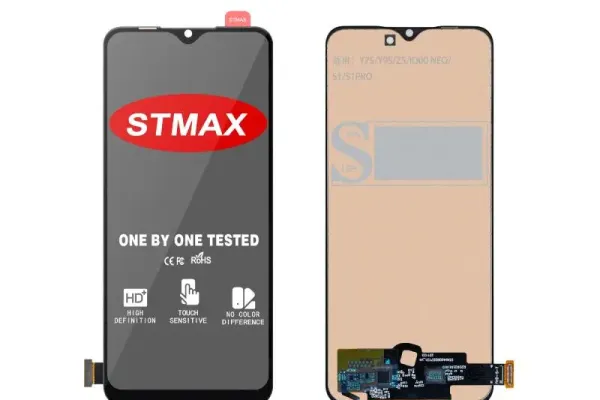
Improving Visibility with High-Brightness Industrial Displays
This article discusses the importance of high-brightness displays in industrial environments. It covers visibility challenges, power efficiency balance, application flexibility, and long-term brightness stability for industrial display systems.