
We Have The Best Solutions for Your Business
2013 Establish
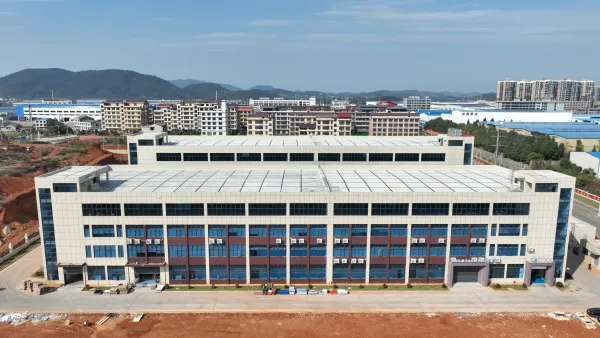
Founded in 2013, grown from Shenzhen's Huaqiangbei and Dongguan to a 100-mu park in Hunan, partnering OPPO, Xiaomi.
66000㎡ Factory Area
66000㎡ smart base integrates R & D, production & storage, with 9 specialized factories.
20000㎡ dust-free space
20000㎡ Class 100/1000 dust-free spaces enable high-precision display production.
ERP/MES
ERP/MES systems optimize production, ensuring a total output of approximately 70W PIC monthly, with a target capacity of 100W PIC.
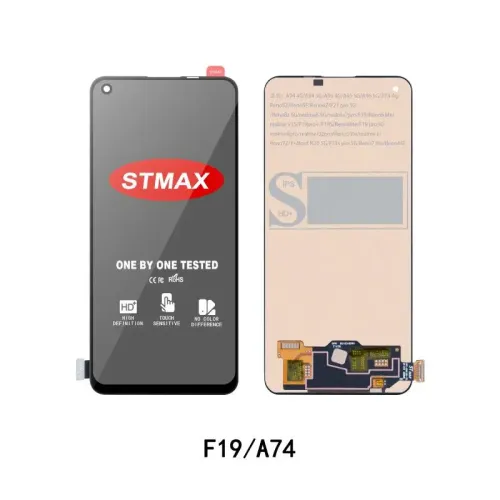
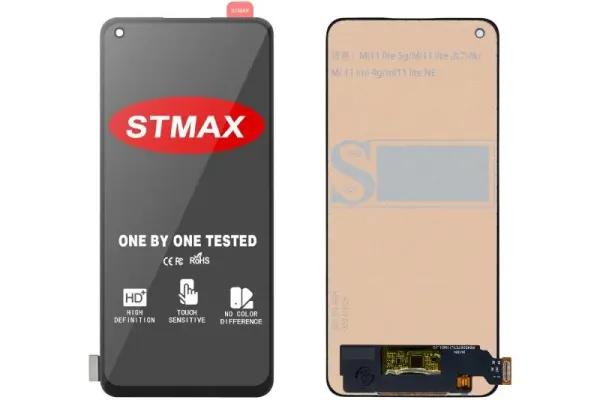
When I look at a mobile phone screen, I don't just see a piece of glass; I see a stack of over a dozen layers, each critical to the user's experience. Since founding STMAX in 2016, I have obsessed over every single one of those layers. In the early days, the market was flooded with screens that had washed-out colors or digitizers that failed after a month. We vowed to be different.
The heart of a great mobile phone screen is the polarization. Many aftermarket factories use cheap polarizers that degrade under sunlight, turning the screen yellow or making it invisible when wearing sunglasses. At STMAX, we use high-grade, 360-degree polarizers. This ensures that the display remains crisp and readable from any angle, in any lighting condition. It’s a detail most people don’t notice until it’s wrong, but we get it right every time.
Then there is the bonding. A mobile phone screen is a laminated sandwich of glass, touch sensor, and LCD. If the glue isn't cured perfectly, you get "delayed bubbles" appearing weeks after installation. We utilize state-of-the-art vacuum lamination machines in a dust-free environment. This creates a solid, unified block that is robust and optically pure.
We also focus on the FPC (Flexible Printed Circuit). This is the fragile ribbon cable that connects the screen to the phone. A stiff or brittle FPC will crack during installation. We use highly flexible, multi-layered rolled copper for our FPC designs. We reinforce the bonding point with anisotropic conductive film (ACF) to ensure that the connection is rock-solid.
Ultimately, manufacturing a mobile phone screen is about trust. When a technician installs our part, they are trusting their reputation to us. We take that responsibility seriously. We pour nearly a decade of expertise into every unit, ensuring that when you choose STMAX, you are choosing reliability, durability, and visual excellence.
Frequently Asked Question
Do you have any question?
A: We manufacture a comprehensive range of display technologies including TFT LCD, In-Cell LCD, and OLED (rigid and flexible) solutions. This allows us to offer the right mobile phone screen for every budget and performance requirement, from entry-level repairs to high-end flagship restorations.
A: Color accuracy is critical for user satisfaction. We use professional color analyzers to calibrate the backlight and liquid crystal layers of every mobile phone screen. We aim for a Delta E value of <2, ensuring that the colors are indistinguishable from the original display to the naked eye.
A: Yes. We use chemically strengthened glass for the front lens of our mobile phone screen units. This glass undergoes an ion-exchange process to increase its surface hardness, making it highly resistant to keys, coins, and everyday abrasions, providing long-lasting clarity for the end-user.
A: Absolutely. We encourage it. We are confident in our quality and want you to be too. You can order a sample pack of our mobile phone screen models to test the brightness, fitment, and touch sensitivity on your own workbench before committing to a wholesale volume.
A: We maintain an industry-leading defect rate of less than 1%. Our rigorous QC process involves three separate testing stages: incoming material inspection, in-line automated testing, and a final pre-shipment manual check. This ensures that every mobile phone screen you receive is ready to sell.
A: Our longevity since 2016 means we have long-standing relationships with top-tier raw material suppliers. This gives us priority access to high-quality driver ICs and glass substrates, ensuring that our mobile phone screen production remains stable and high-quality even during global component shortages.
Our updates and blog posts
Selecting the Right TFT Display for Industrial Control Systems
Selecting the Right TFT Display for Industrial Control Systems
Designing Reliable Capacitive Touch Panels for Industrial Equipment
Designing Reliable Capacitive Touch Panels for Industrial Equipment
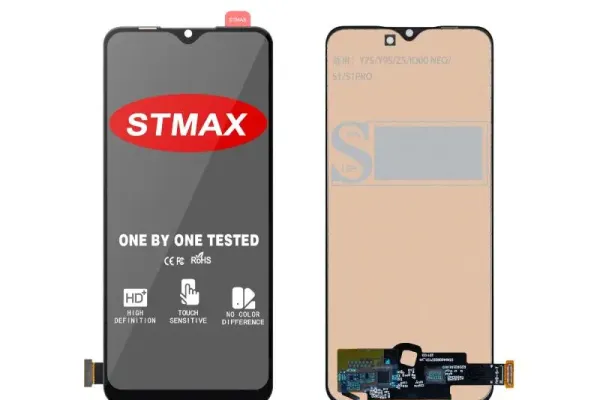
Improving Visibility with High-Brightness Industrial Displays
This article discusses the importance of high-brightness displays in industrial environments. It covers visibility challenges, power efficiency balance, application flexibility, and long-term brightness stability for industrial display systems.