

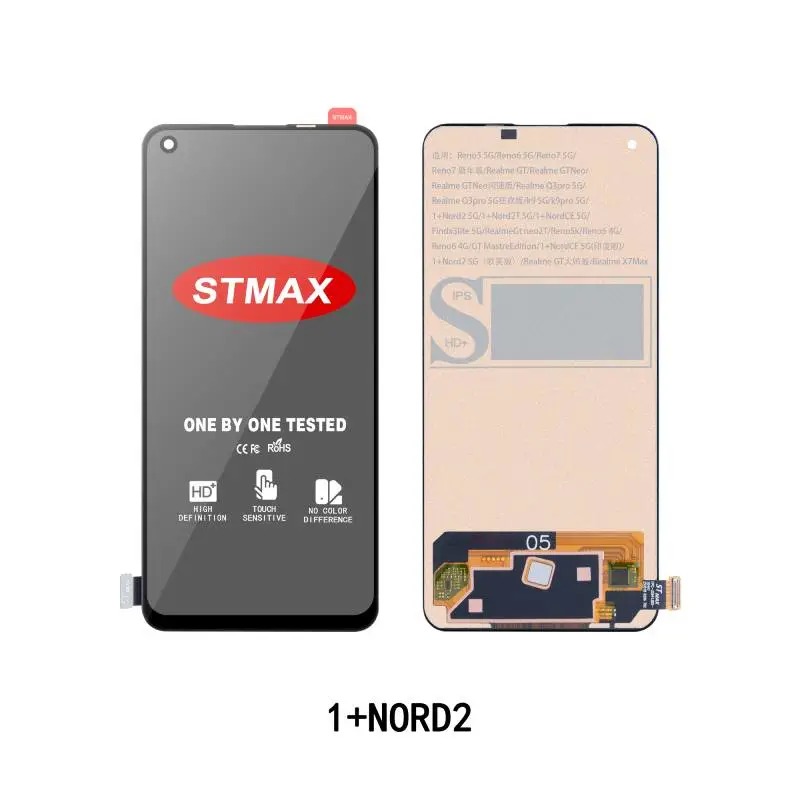
The Cell Phone Screen is the most critical component of any mobile device, serving as both the display and touch interface. From reading messages to browsing apps, every interaction relies on the screen’s clarity and responsiveness. Over time, screens can crack, dim, or fail, making understanding, maintaining, and replacing the Cell Phone Screen essential for users, repair centers, and distributors.
This article covers what a cell phone screen is, how it works, common types, replacement options, and tips for choosing reliable components.
What Is a Cell Phone Screen?
A Cell Phone Screen is an integrated display module that combines visual output and touch functionality. It typically consists of multiple layers designed for durability, accurate colors, and smooth touch performance.
Key components include:
-
LCD or OLED Panel – Produces the images and visuals.
-
Touch Digitizer – Detects finger input for taps, swipes, and gestures.
-
Cover Glass – Protects internal components from scratches and impacts.
-
Backlight Module (for LCD) – Illuminates the display.
-
Driver IC & Flex Cable – Connects the screen to the motherboard.
-
Polarizer and Optical Bonding Layers – Enhance clarity and touch sensitivity.
High-quality screens ensure the device functions as originally intended.
How a Cell Phone Screen Works
The Cell Phone Screen has two primary functions: display and touch.
Display Function
-
LCD panels control light through liquid crystals, while OLED panels emit light directly.
-
RGB subpixels create color images and text.
-
Backlights (LCD only) provide brightness.
Touch Function
-
Capacitive or resistive layers detect finger contact.
-
The phone processor converts touch signals into actions.
This integration ensures smooth, responsive interaction with the device.
Types of Cell Phone Screen
1. LCD Screen
-
Reliable and cost-effective
-
Stable brightness and long lifespan
-
Less prone to burn-in
2. IPS LCD Screen
-
Enhanced viewing angles and color reproduction
-
Clear outdoor visibility
3. OLED / AMOLED Screen
-
Premium display with deep blacks and high contrast
-
Flexible options for curved or foldable phones
-
Requires careful handling to prevent burn-in
Common Issues with Cell Phone Screens
The Cell Phone Screen is also the most vulnerable component. Common problems include:
-
Cracks or shattered glass from drops
-
Dead or stuck pixels
-
Touch failure or unresponsive screen
-
Dim brightness or color distortion
-
Backlight failure
Replacement is usually more cost-effective than replacing the entire device.
Benefits of Replacing a Cell Phone Screen
-
Cost-effective – Cheaper than purchasing a new phone.
-
Quick repair – Most replacements are completed within an hour.
-
Restores performance – Touch accuracy and visual quality are recovered.
-
Eco-friendly – Reduces electronic waste.
-
Improves device longevity – Extends the life of the phone.
Applications Beyond Consumer Phones
Cell Phone Screen technology is also used in:
-
Tablets and portable devices
-
Smart home panels
-
Industrial handheld terminals
-
POS systems and kiosks
-
IoT smart devices
High-quality screens ensure consistent performance in all applications.
How to Choose a Reliable Cell Phone Screen Supplier
-
Quality – Brightness, color accuracy, and touch sensitivity tests.
-
Compatibility – Ensure the screen matches the specific model.
-
Supplier Reliability – OEM or certified aftermarket suppliers with consistent production.
-
Technical Support – Assistance with installation or troubleshooting.
Future Trends of Cell Phone Screen
-
Thinner, lighter, and flexible designs
-
Higher resolution and brightness
-
Improved touch response and haptic feedback
-
Enhanced durability and scratch resistance
-
Integration with foldable and flexible display technologies
Despite evolving technologies, LCD and OLED screens remain the foundation of mobile interaction.
Conclusion
The Cell Phone Screen is the central interface for smartphone usability, providing display and touch functions. High-quality screens ensure smooth performance, clear visuals, and long-term device reliability. For repair centers, distributors, and end-users, sourcing reliable cell phone screens is critical for customer satisfaction, device longevity, and business growth.