

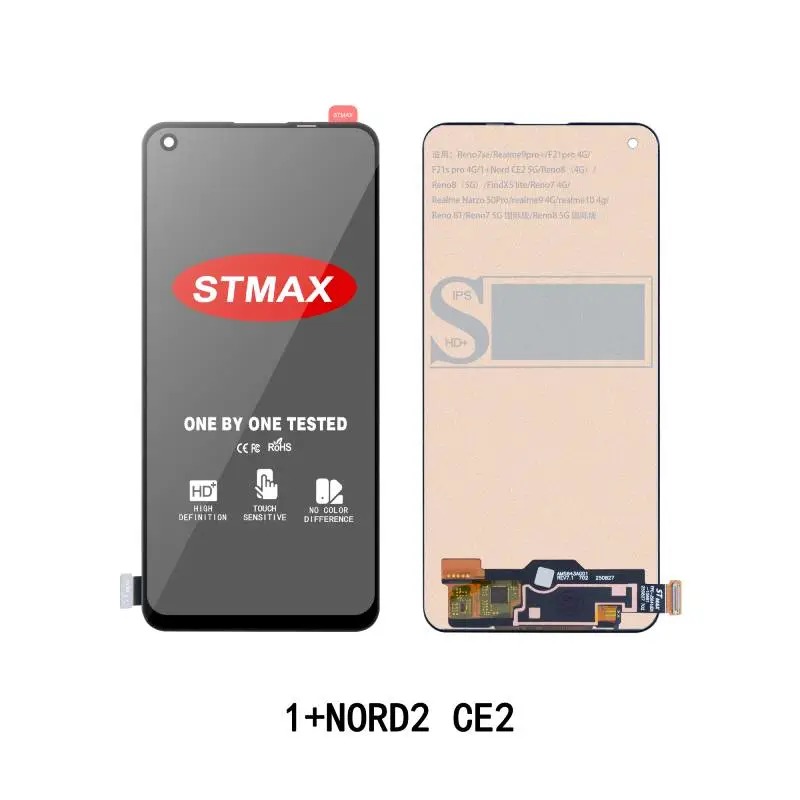
Optimizing device longevity and visual excellence through precision engineering and professional-grade display components.
The Critical Role of Quality in Display Solutions
In the rapidly evolving landscape of consumer electronics and industrial automation, the display interface remains the most crucial point of interaction. For procurement managers and repair professionals, sourcing a reliable Lcd Assembly is no longer just about cost; it is about ensuring structural integrity, color accuracy, and touch sensitivity that matches original specifications. A sub-standard assembly leads to increased return rates, damaged brand reputation, and significant operational downtime.
At STMAX, we understand these challenges. Whether you are dealing with flickering screens, ghost touches, or complete panel failure, the solution lies in a high-precision manufacturing process. This guide provides a strategic deep dive into the components, selection criteria, and technical advantages of professional display modules.
In this article, you will learn:
- The technical anatomy of a modern Lcd Assembly.
- Comparative analysis between TFT, OLED, and AMOLED technologies.
- How STMAX ensures zero-defect production through clean-room standards.
- Strategic maintenance and integration advice for global brands.
Anatomy of a Professional Lcd Assembly
A standard Lcd Assembly is a complex multi-layered module designed to perform under diverse environmental conditions. It is not merely a screen; it is a synchronized system of several key components:
1. The Liquid Crystal Display (LCD) / OLED Panel
The core imaging unit. For devices like the OnePlus 8T AMOLED Display, this involves organic light-emitting diodes that provide infinite contrast and vibrant colors. In industrial settings, IPS-TFT panels are often preferred for their stability and wide viewing angles.
2. Touch Screen Digitizer
The capacitive layer that translates human touch into digital signals. Precision in the digitizer layer prevents "dead zones" and ensures multi-touch functionality remains fluid.
3. Front Glass (Lens)
Treated with oleophobic coatings, the glass protects the inner layers from scratches and impact while maintaining high transparency for visual clarity.
4. Frame and Flex Cables
The skeleton that holds the assembly together. High-quality flex cables are essential for signal stability, preventing data loss or screen artifacts.
Strategic Selection: Matching Technology to Application
Choosing the right Lcd Assembly requires a deep understanding of the end-user environment. Based on our extensive experience serving global clients, we categorize solutions into two primary domains:
Consumer Electronics Replacement
For mobile repair and refurbishment, compatibility is king. Modules like the Redmi Note 12 Lcd Assembly must feature precise dimensions to fit the housing without gaps. We focus on matching the original pixel density and refresh rates to ensure a seamless user experience.
Industrial and IoT Display Systems
Industrial applications demand durability over aesthetics. These assemblies must withstand wide temperature ranges (-20 to 70 degrees Celsius) and high-vibration environments. STMAX specializes in industrial-grade TFT-LCD modules with RS-232 or LVDS interfaces, ensuring long-term stability in smart manufacturing and medical diagnostics.
Quality Control Checklist for Procurement:
- Optical Inspection: Check for dead pixels or backlight bleeding in a darkroom environment.
- Touch Calibration: Ensure 10-point multi-touch responsiveness across the entire surface area.
- Power Efficiency: Verify the assembly does not cause abnormal battery drain due to poor driver IC quality.
- Flex Strength: Inspect the gold-plating on connectors for wear resistance.
Why Global Brands Trust STMAX
With over a decade of specialization in the display industry, STMAX has established a reputation for engineering excellence. Our commitment to quality is backed by rigorous standards and advanced manufacturing facilities.
12,000 sqm Clean Room
Our dust-free production environment ensures that every Lcd Assembly is free from internal particles and contaminants.
High Precision Engineering
We use high-grade components for models like the Oppo Reno 5 OLED, ensuring OEM-level performance.
Full Chain Production
From raw glass processing to final module testing, our integrated supply chain guarantees consistent quality and competitive pricing.
Learn more about our mission on our About Us page.
Frequently Asked Questions
Q: How do I ensure compatibility between the assembly and my device model?
A: Always verify the specific model number (e.g., V2336 for Vivo Y200) and the connector type. At STMAX, we provide detailed compatibility lists for every Lcd Assembly we manufacture.
Q: What is the difference between a 'With Frame' and 'No Frame' assembly?
A: A 'With Frame' assembly includes the middle bezel, making installation easier and reducing the risk of damaging the panel during repair. 'No Frame' requires careful adhesive application and is typically chosen by high-volume repair centers.
Q: How does STMAX handle quality testing before shipping?
A: Every single unit undergoes a triple-stage test: visual inspection, touch responsiveness testing, and color calibration to ensure it meets our strict reliability standards.
Partner with the Display Experts
Whether you are upgrading a fleet of industrial devices or stocking a professional repair network, your choice of Lcd Assembly determines your success. Choose precision. Choose durability. Choose STMAX.