

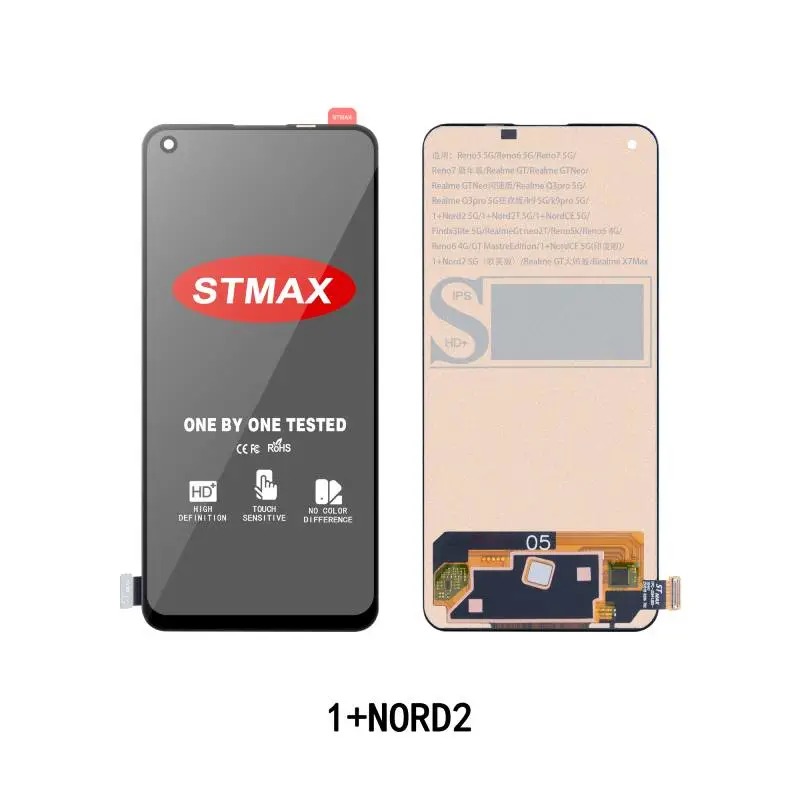
The Definitive Guide to Sourcing High-Precision Phone Display Parts for Global Smart Devices
Maximizing device longevity and visual excellence through industrial-grade manufacturing and rigorous quality control.
Overcoming the Challenges of Unreliable Display Components
In the rapidly evolving mobile technology landscape, businesses often face the frustration of sourcing low-quality screen replacements that lead to high return rates, customer dissatisfaction, and increased operational costs. A faulty display does more than just blur an image; it compromises the entire user experience and damages the reputation of repair service providers and distributors alike.
How can your business ensure a steady supply of premium components that match original specifications without the premium price tag? This guide serves as a strategic resource to help you navigate the complexities of Phone Display Parts, providing the technical insights needed to make informed purchasing decisions.
By the end of this article, you will discover:
Technical differences between LCD, OLED, and AMOLED assemblies.
The manufacturing standards that define professional-grade replacements.
Strategic solutions for high-volume device repair and distribution.
Understanding the Anatomy of Phone Display Parts
To maintain excellence in hardware maintenance, it is essential to understand the core technologies that power modern visual interfaces. Phone Display Parts are not universal; they are precision-engineered modules tailored to specific device architectures.
LCD (Liquid Crystal Display)
Utilized in many mid-range and industrial devices, LCDs like the Redmi Note 12 LCD display rely on a backlight. These are known for their longevity and cost-effectiveness in high-volume repairs.
AMOLED and OLED
For flagship models such as the OnePlus 8T AMOLED display, self-emissive pixels provide deeper blacks and higher contrast ratios. These modules are thinner and offer superior power efficiency.
Core Solutions: Comprehensive Replacement Strategies
STMAX provides a full-chain production approach to ensure that every Phone Display Parts assembly meets rigorous performance benchmarks. Whether you are servicing consumer electronics or industrial-grade equipment, the following solutions represent our commitment to quality.
Step 1: Selecting the Right Assembly Type
Choosing between a "Glass Only" repair and a "Full Assembly" is critical. We recommend a full screen assembly including the touch digitizer for maximum stability and reduced installation time.
Step 2: Compatibility and Interface Integrity
Modern devices require precise signal stability. Our Oppo K12x OLED display modules are tested for interface compatibility to ensure that the flex cable connections provide consistent data transmission without ghost touches.
Step 3: Environmental and Industrial Considerations
For specialized applications, we offer wide-temperature LCD displays. These components are designed for outdoor control systems and medical devices, where reliability in harsh environments is non-negotiable.
Why STMAX is the Preferred Choice for Professionals
12,000 Clean Room
Our production environment minimizes dust particles, ensuring crystal-clear optical performance in every Phone Display Parts module.
Global Supply Chain
We serve a global market with high-precision displays for brands like Huawei, OnePlus, and Xiaomi, maintaining a vast inventory for rapid fulfillment.
Advanced R&D
Our engineering team focuses on display tech advances to support the IoT ecosystem and smart manufacturing.
Frequently Asked Questions (FAQ)
How do I verify the compatibility of Phone Display Parts?
Every module is designed to match specific model numbers. For instance, the Xiaomi Mi11 Lite series replacement is specifically engineered for the M2101K9AG/G models to ensure perfect fit and function.
What is the difference between OLED and IPS LCD in repair?
OLED screens offer better contrast but are generally more expensive. IPS LCDs, such as the STMAX F19 IPS module, provide wide viewing angles and consistent color, making them ideal for industrial and mid-range applications.
How does STMAX ensure the durability of its screens?
We implement a full-chain production process, from glass cutting to final testing, ensuring that each unit undergoes strict brightness and touch sensitivity calibration.
Ready to Elevate Your Repair Standards?
Contact our technical specialists today for a professional consultation and bulk pricing on the industry's most reliable Phone Display Parts.
Experience engineering excellence with STMAX - Your trusted partner in display technology.