

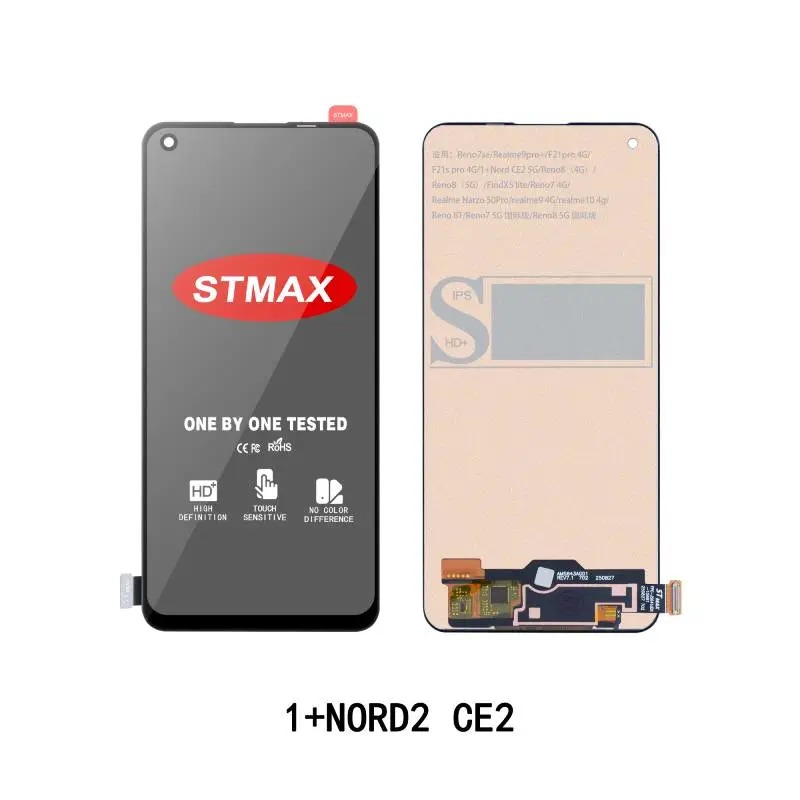
In today’s digital world, the screen is the primary interface between users and technology. Whether it is a smartphone, industrial control device, or IoT terminal, the quality of the Lcd Assembly directly determines the user experience, product reliability, and device lifespan. As display technology continues to evolve, modern LCD assemblies have become more integrated, durable, and application-specific.
This article explains what an LCD assembly is, how it works, where it is used, and why choosing a high-quality supplier matters for distributors, repair businesses, and equipment manufacturers.
What Is an LCD Assembly?
An Lcd Assembly is a fully integrated display module combining multiple functional layers into a single replaceable unit. Unlike a bare LCD panel, the assembly includes both visual display and touch interaction components.
A standard LCD assembly typically contains:
-
LCD panel (image display layer)
-
Touch digitizer (touch sensing layer)
-
Backlight module
-
Polarizer film
-
Driver IC & flexible circuit (FPC)
-
Protective glass or cover lens
-
Adhesive bonding (OCA/LOCA lamination)
Because these parts are factory laminated, technicians can replace a damaged screen quickly without separating fragile layers. This significantly reduces repair time and increases installation success rate.
Why LCD Assembly Is Important in the Mobile Repair Market
The smartphone aftermarket relies heavily on replacement screen demand. Drops, pressure damage, and liquid exposure frequently break phone displays. Instead of replacing the entire device, users prefer replacing the Lcd Assembly, making it one of the most consumed electronic spare parts globally.
High-quality assemblies offer:
-
Accurate touch response
-
True color reproduction
-
Brightness stability
-
Lower power consumption
-
Long-term durability
For distributors and wholesalers, stable supply and consistent quality are critical. Poor-grade assemblies often cause ghost touch, light leakage, or fast aging, leading to returns and reputation loss.
Types of LCD Assembly
Different applications require different structures and specifications.
1. Smartphone LCD Assembly
Designed for replacement and repair markets, these assemblies match original device dimensions and connectors. They support major brands such as Huawei, Xiaomi, Oppo, Vivo, and OnePlus.
Key features:
-
High color accuracy
-
Smooth touch sensitivity
-
Slim structure
-
Easy installation
2. Industrial LCD Assembly
Industrial environments require stronger reliability than consumer electronics.
Industrial assemblies typically include:
-
Wide temperature operation (-20°C to 70°C)
-
Anti-interference design
-
Stable interface (UART/RS232/RGB/MIPI)
-
Long life backlight
These are widely used in automation equipment, control panels, and smart terminals.
3. Custom LCD Assembly
Manufacturers also provide customized modules for embedded systems and IoT devices, allowing size, interface, brightness, and cover glass modifications.
Manufacturing Process of LCD Assembly
A professional Lcd Assembly supplier follows strict production procedures to ensure performance consistency.
Step 1: Component Inspection
All panels, ICs, and glass materials are tested before entering the production line.
Step 2: Cleanroom Lamination
Bonding is performed in dust-free environments (Class 100/1000 cleanrooms) to prevent bubbles and contamination.
Step 3: Functional Testing
Each unit undergoes:
-
Display test
-
Touch test
-
Aging test
-
Brightness calibration
Step 4: Packaging & Protection
Shock-proof packaging ensures safe international transportation and reduces logistics damage.
Applications of LCD Assembly
The application scope of LCD assemblies continues expanding beyond smartphones.
Consumer Electronics
-
Mobile phones
-
Tablets
-
Smart home panels
Industrial Equipment
-
CNC controllers
-
Factory monitoring screens
-
Smart manufacturing interfaces
IoT Devices
-
Smart terminals
-
Access control systems
-
Intelligent kiosks
Because modern devices rely heavily on visual interaction, the LCD assembly acts as the human-machine communication bridge.
How to Choose a Reliable LCD Assembly Supplier
When selecting a supplier, buyers should evaluate more than price.
Key factors include:
Quality Control
A qualified manufacturer provides multi-stage testing and stable batch consistency.
Production Capacity
Large monthly output ensures reliable delivery schedules for distributors.
Compatibility Accuracy
Precise connectors and calibration prevent installation failure.
Technical Support
Professional suppliers assist customers in model identification and installation issues.
Future Trends of LCD Assembly
The display industry continues to move toward integration and intelligence. Future Lcd Assembly development focuses on:
-
Thinner modules
-
Higher brightness
-
Better energy efficiency
-
Enhanced durability
-
Smart interaction compatibility
As AI devices and IoT equipment grow, demand for reliable display modules will keep increasing.
Conclusion
The Lcd Assembly is more than a replacement part — it is a critical interface connecting users with digital devices. From smartphone repair markets to industrial automation systems, high-quality assemblies ensure stable performance, accurate interaction, and long service life.
For distributors, wholesalers, and equipment manufacturers, choosing a professional LCD assembly manufacturer means fewer returns, higher customer satisfaction, and long-term business growth. As technology advances, the role of LCD assemblies will continue expanding across consumer electronics and smart industry applications.