

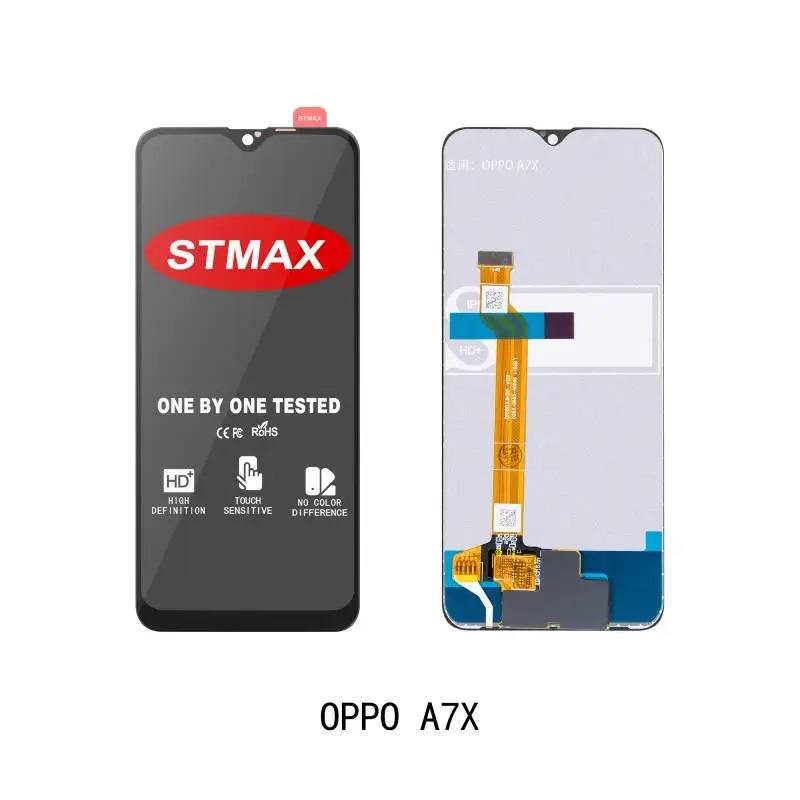
In modern electronics, visual interaction defines user experience. From smartphones and tablets to industrial machines and IoT terminals, the Lcd Display has become the core component enabling communication between humans and devices. With its balance of cost efficiency, image quality, and reliability, LCD technology remains one of the most widely used display solutions worldwide.
This article explains what an LCD display is, how it works, its types, applications, and how to choose a reliable supplier for long-term performance.
What Is an Lcd Display?
An Lcd Display (Liquid Crystal Display) is a flat-panel display technology that uses liquid crystals combined with a backlight to produce images. Unlike OLED screens, LCD panels do not emit light themselves — they control light transmission to form visuals.
A typical LCD display structure includes:
-
Liquid crystal layer
-
Glass substrate
-
Polarizer films
-
Color filter
-
Backlight module
-
Driver IC and control circuit
When voltage passes through liquid crystals, they change alignment and regulate how much light passes through the pixels, producing images on the screen.
How Lcd Display Technology Works
The operation of an Lcd Display relies on the light modulation principle:
-
The backlight generates uniform white light
-
The liquid crystal layer controls pixel transparency
-
Color filters produce red, green, and blue sub-pixels
-
Driver ICs control voltage to create images
Because LCD does not rely on self-emission, it offers stable brightness, lower burn-in risk, and longer operational life compared to many display technologies.
Types of Lcd Display
Different usage scenarios require different panel structures.
1. TFT LCD Display
Thin Film Transistor LCD is the most common type used in smartphones and consumer electronics.
Features:
-
Fast response time
-
Good color performance
-
Suitable for high-resolution devices
2. IPS LCD Display
In-Plane Switching panels improve viewing angles and color consistency.
Advantages:
-
Wide viewing angle
-
Accurate color reproduction
-
Better outdoor visibility
3. Industrial LCD Display
Designed for harsh environments and long working hours.
Characteristics:
-
Wide temperature operation
-
Anti-interference design
-
Long lifespan backlight
-
Stable signal interface
4. Custom Embedded LCD Display
Used in specialized equipment such as smart terminals, medical devices, and automation panels.
Applications of Lcd Display
The flexibility and affordability of LCD technology allow it to serve nearly every electronic sector.
Consumer Electronics
-
Smartphones
-
Tablets
-
Smart home panels
-
Portable devices
Industrial Equipment
-
Control systems
-
Manufacturing interfaces
-
Monitoring panels
Commercial Systems
-
POS machines
-
Self-service kiosks
-
Access control terminals
IoT Devices
-
Smart sensors
-
AI terminals
-
Embedded controllers
In all these devices, the Lcd Display acts as the visual communication bridge between software and users.
Advantages of Lcd Display
LCD remains dominant in many markets due to its balanced performance and cost.
Energy Efficient
Lower power consumption compared to older display technologies.
Long Lifespan
Backlight durability allows continuous operation.
Stable Image Quality
No burn-in effect, suitable for static interface equipment.
Cost Effective
Ideal for mass production and large-scale deployment.
Wide Application Compatibility
Supports various interfaces including MIPI, RGB, LVDS, and UART.
Choosing a Reliable Lcd Display Supplier
Selecting the right manufacturer is crucial for product stability and brand reputation.
Quality Consistency
Look for suppliers with strict inspection and aging tests to prevent color deviation and dead pixels.
Production Capability
Stable monthly output ensures continuous supply for distributors and OEM manufacturers.
Technical Support
Professional support helps with integration, driver compatibility, and installation issues.
Customization Ability
Reliable suppliers provide brightness adjustment, touch integration, and structural modification services.
Future Development of Lcd Display
The Lcd Display industry continues evolving to meet smarter device requirements:
-
Higher brightness for outdoor use
-
Ultra-thin module design
-
Lower power consumption
-
Better touch integration
-
Smart interactive interfaces
With the expansion of AI devices and industrial automation, LCD displays remain essential due to their durability and cost advantage.
Conclusion
The Lcd Display is one of the most important components in modern electronics, enabling intuitive interaction across consumer devices and industrial systems. Its reliability, affordability, and versatility make it an ideal solution for both mass-market products and professional equipment.
As technology advances, LCD displays will continue to adapt and support the growing ecosystem of smart devices, ensuring stable visual communication in everyday digital life.