

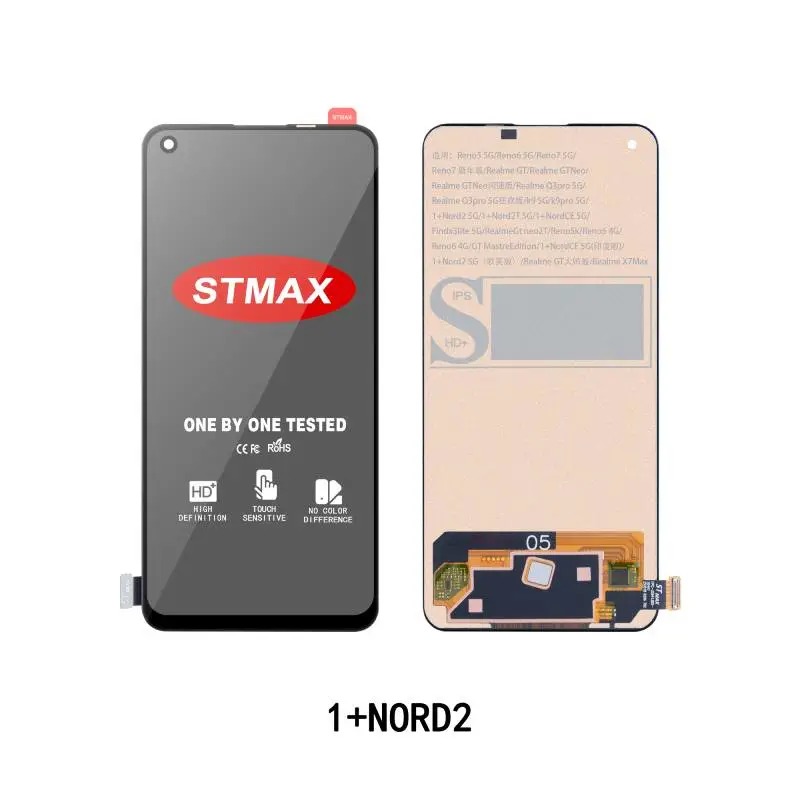
In today’s electronics-driven world, the screen is the primary way users interact with devices. Whether it is a smartphone, tablet, smart terminal, or industrial controller, the Lcd Screen plays a vital role in presenting information clearly and reliably. Thanks to its stability, affordability, and long lifespan, LCD technology remains one of the most widely used display solutions across both consumer and industrial markets.
This article explains what an LCD screen is, how it works, its types, applications, and key factors to consider when selecting a high-quality supplier.
What Is an Lcd Screen?
An Lcd Screen (Liquid Crystal Display screen) is a flat-panel display that uses liquid crystals to control light and produce images. Unlike older CRT displays or self-emissive technologies, LCD screens require a backlight to illuminate pixels.
A typical LCD screen is composed of multiple layers:
-
Protective cover glass
-
Touch panel (optional)
-
Polarizing filters
-
Liquid crystal layer
-
Color filter
-
Glass substrates
-
Backlight module
-
Driver IC and flexible circuit
These layers work together to create sharp images while maintaining low power consumption and consistent brightness.
How an Lcd Screen Works
The working principle of an Lcd Screen is based on light modulation.
-
A backlight produces uniform white light
-
Liquid crystals adjust their alignment when voltage is applied
-
Each pixel controls how much light passes through
-
RGB color filters generate visible colors
Because the liquid crystals only regulate light rather than emit it, LCD screens produce stable images with minimal aging effects.
Types of Lcd Screen
Different devices require different display performance levels. LCD screens are therefore available in multiple panel technologies.
TFT Lcd Screen
The most common display used in smartphones and consumer electronics.
Features:
-
Fast refresh rate
-
Good brightness
-
Cost-effective production
IPS Lcd Screen
An improved panel structure offering better viewing angles and color accuracy.
Advantages:
-
Wide viewing angles
-
Natural color reproduction
-
Better readability in daylight
Industrial Lcd Screen
Designed for equipment that operates continuously in demanding environments.
Characteristics:
-
Wide temperature range
-
Long service life
-
Stable signal interface
-
Anti-interference capability
Custom Embedded Lcd Screen
Used in smart devices, medical instruments, and automation systems requiring special size or interface configurations.
Applications of Lcd Screen
The flexibility of LCD technology allows it to serve a wide range of industries.
Consumer Electronics
-
Mobile phones
-
Tablets
-
Smart home panels
-
Portable electronics
Industrial Equipment
-
Automation controllers
-
Machine operation panels
-
Monitoring systems
Commercial Devices
-
POS terminals
-
Self-service kiosks
-
Information displays
IoT and Smart Devices
-
Smart access systems
-
AI terminals
-
Embedded controllers
In each case, the Lcd Screen functions as the communication bridge between users and machines.
Advantages of Lcd Screen
LCD screens remain popular because they provide a balance between performance and cost.
Long Lifespan
Backlight technology supports long operating hours.
Stable Performance
No image burn-in and reliable brightness output.
Energy Efficiency
Consumes less power than older display technologies.
Affordable Production
Ideal for large-scale manufacturing and replacement markets.
Wide Compatibility
Supports multiple interfaces including MIPI, RGB, LVDS, and UART.
How to Choose a Reliable Lcd Screen Supplier
Choosing a reliable supplier is critical for distributors, repair businesses, and device manufacturers.
Quality Inspection
Suppliers should perform dead-pixel tests, brightness calibration, and aging tests.
Stable Production Capacity
Consistent output ensures continuous supply without delays.
Compatibility Accuracy
Precise connectors and dimensions prevent installation problems.
Technical Support
Professional manufacturers provide guidance on model matching and integration.
Future Trends of Lcd Screen Technology
As smart devices continue to expand, the Lcd Screen is evolving toward:
-
Thinner module structures
-
Higher brightness
-
Lower power consumption
-
Enhanced touch integration
-
Improved durability
LCD technology will remain important due to its reliability and cost advantage, especially in industrial and replacement markets.
Conclusion
The Lcd Screen is a fundamental component of modern electronic devices, delivering clear visual communication across consumer and industrial applications. Its durability, efficiency, and affordability make it an ideal display solution for a wide range of products.
As devices become smarter and more connected, LCD screens will continue to provide dependable performance and support future technological innovation.