

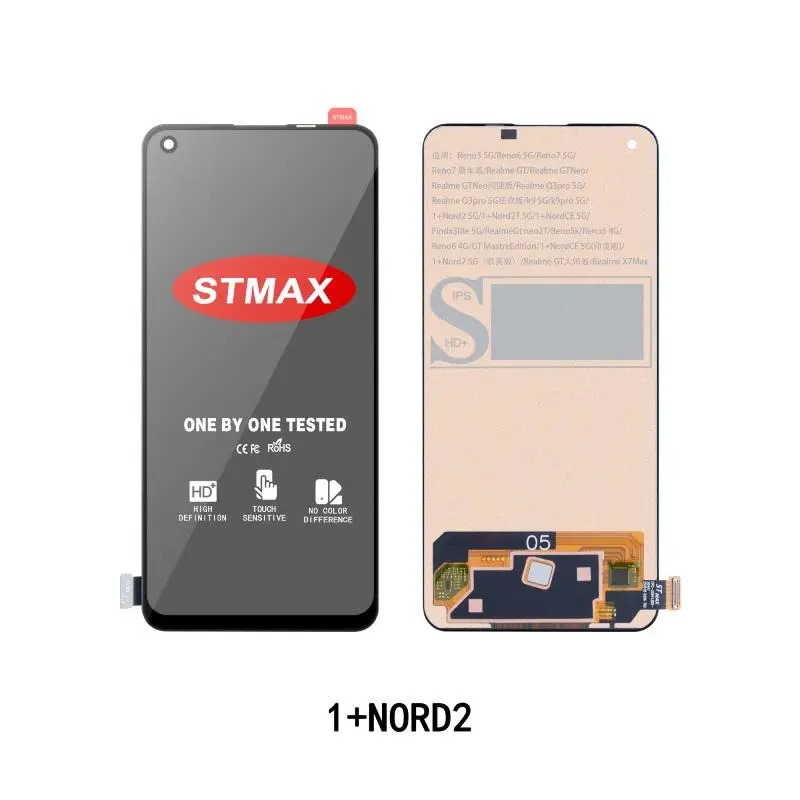
In modern electronic devices, the display is no longer just a viewing component — it is the primary interaction interface. Whether in smartphones, smart terminals, or industrial equipment, the Screen Assembly determines touch responsiveness, visual clarity, and overall user experience. As devices become thinner and more integrated, screen assemblies have evolved into highly precise modules designed for fast replacement and reliable performance.
This article explains what a screen assembly is, its structure, types, applications, and how to choose a reliable supplier for long-term business value.
What Is a Screen Assembly?
A Screen Assembly is a complete display replacement unit that integrates the display panel and touch function into a single module. Unlike separate glass, digitizer, and LCD parts, the assembly is factory-laminated and ready for direct installation.
A typical screen assembly includes:
-
Display panel (LCD or compatible display)
-
Touch digitizer
-
Cover glass
-
Backlight module
-
Polarizer layers
-
Driver IC & flex cable (FPC)
-
Optical bonding adhesive (OCA/LOCA)
Because these layers are pre-bonded in a cleanroom environment, technicians can replace the entire module without separating fragile components, reducing repair time and damage risk.
Importance of Screen Assembly in the Repair Industry
With billions of smartphones in daily use, accidental drops and pressure damage make display replacement one of the most common repairs worldwide. The Screen Assembly has therefore become a core spare part in the mobile repair supply chain.
High-quality assemblies provide:
-
Accurate touch sensitivity
-
True color performance
-
Stable brightness
-
Low power consumption
-
Long service life
Poor-quality assemblies often cause issues such as ghost touch, light leakage, color distortion, and short lifespan, which increases returns and affects business reputation.
Types of Screen Assembly
Different applications require different display specifications and durability levels.
Smartphone Screen Assembly
Designed for device repair and aftermarket replacement markets.
Features:
-
Precise connector compatibility
-
Slim design
-
Smooth touch response
-
High installation success rate
Commonly used for major phone brands and popular models.
Industrial Screen Assembly
Used in equipment operating continuously in harsh environments.
Characteristics:
-
Wide temperature tolerance
-
Anti-interference design
-
Long-life backlight
-
Stable signal interface
Typical applications include factory control panels and embedded systems.
Customized Screen Assembly
Manufacturers can provide customized modules based on size, brightness, interface, and cover glass requirements for specialized equipment and IoT devices.
Manufacturing Process of Screen Assembly
Reliable Screen Assembly production requires strict quality control.
Incoming Material Inspection
All display panels, ICs, and glass materials are checked before production.
Cleanroom Optical Bonding
Lamination occurs in dust-free environments to prevent bubbles and contamination.
Functional Testing
Each module undergoes:
-
Display uniformity test
-
Touch sensitivity test
-
Aging test
-
Brightness calibration
Protective Packaging
Shock-proof packaging ensures safe transportation during global shipping.
Applications of Screen Assembly
Screen assemblies are widely used beyond smartphones.
Consumer Electronics
-
Mobile phones
-
Tablets
-
Smart home control panels
Industrial Equipment
-
Automation machines
-
Monitoring interfaces
-
Manufacturing systems
Commercial Systems
-
POS terminals
-
Self-service kiosks
-
Information displays
IoT Devices
-
Smart terminals
-
Access control systems
-
Embedded controllers
In each scenario, the screen assembly acts as the human-machine interaction interface.
How to Choose a Reliable Screen Assembly Supplier
Selecting a dependable supplier helps reduce defects and maintain customer satisfaction.
Quality Consistency
Multi-stage inspection and stable batch performance are essential.
Production Capacity
High monthly output ensures reliable delivery schedules.
Compatibility Accuracy
Precise calibration prevents installation failure.
Technical Support
Professional assistance helps identify models and solve installation issues.
Future Trends of Screen Assembly
The Screen Assembly industry continues to develop toward smarter and more efficient solutions:
-
Thinner modules
-
Higher brightness
-
Better durability
-
Lower power consumption
-
Improved touch integration
As smart devices and automation expand, demand for reliable screen assemblies will continue growing worldwide.
Conclusion
The Screen Assembly is a critical component connecting users with electronic devices. From smartphone repair markets to industrial automation systems, high-quality assemblies ensure stable performance and better user experience.
For distributors and equipment manufacturers, choosing a professional screen assembly supplier means fewer returns, improved reliability, and long-term business growth.