

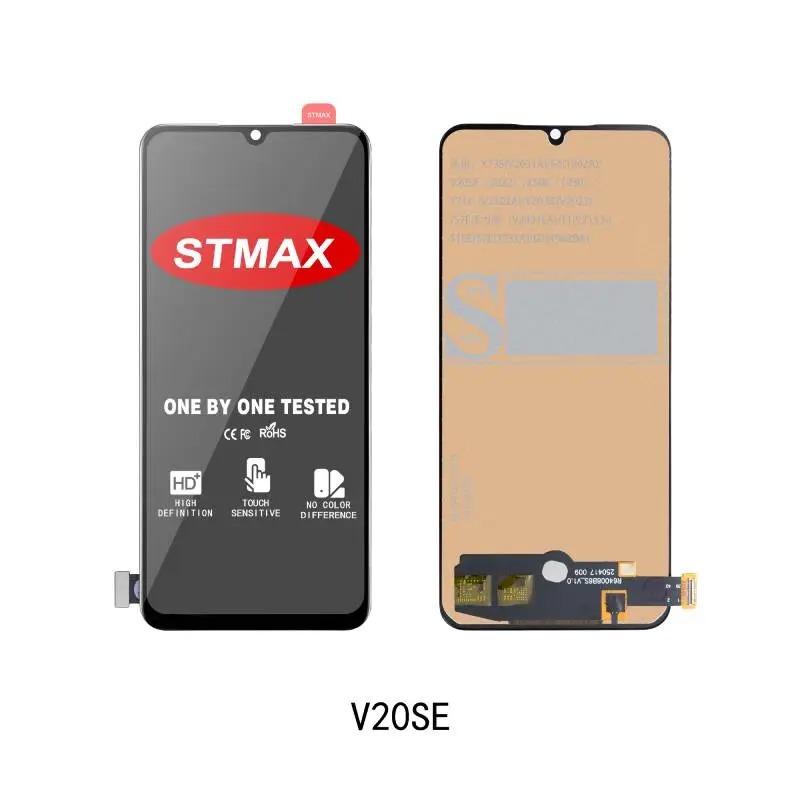
The smartphone has become an essential part of daily life, and the most frequently used component is the Mobile Phone Screen. It is not only responsible for displaying images but also for enabling touch interaction, making it the primary communication bridge between users and devices. As smartphones become thinner and more powerful, screen technology continues to improve in clarity, durability, and responsiveness.
This article explains what a mobile phone screen is, how it works, common types, applications, and how to choose a reliable replacement or supplier.
What Is a Mobile Phone Screen?
A Mobile Phone Screen is an integrated display system that combines visual output and touch input into a compact module. Modern smartphone screens usually consist of multiple precision layers working together to deliver images and detect touch signals.
A standard structure includes:
-
Cover glass (protective surface)
-
Touch digitizer (touch sensing layer)
-
Display panel
-
Backlight module (for LCD screens)
-
Polarizing filters
-
Driver IC and flexible cable
-
Adhesive optical bonding layer
These components are laminated in a clean manufacturing environment to ensure high sensitivity and optical clarity.
How a Mobile Phone Screen Works
The working principle of a Mobile Phone Screen involves both display generation and touch detection.
Display Function
The display panel produces images by controlling pixels that form colors and brightness levels.
Touch Function
The digitizer detects electrical changes when a finger touches the surface and sends signals to the processor, allowing the device to respond instantly.
Because these two systems are integrated, screen quality directly affects user experience, including smoothness, accuracy, and visual comfort.
Types of Mobile Phone Screen
Different smartphone models use different display technologies depending on performance and cost requirements.
LCD Mobile Phone Screen
Widely used due to reliability and affordability.
Features:
-
Stable brightness
-
Long lifespan
-
No burn-in effect
-
Cost-effective replacement
IPS Mobile Phone Screen
An improved LCD technology offering better viewing angles and color accuracy.
Advantages:
-
Clear outdoor visibility
-
Natural colors
-
Comfortable viewing
High Brightness Screens
Designed for outdoor usage and high-visibility environments.
Applications:
-
Delivery devices
-
Industrial handheld terminals
-
Rugged smartphones
Common Causes of Screen Damage
The Mobile Phone Screen is also the most vulnerable component of a smartphone.
Typical issues include:
-
Accidental drops causing cracks
-
Pressure damage causing black spots
-
Water damage causing touch failure
-
Aging causing brightness reduction
In most cases, replacing the screen module restores the device without replacing the entire phone.
Mobile Phone Screen Replacement Benefits
Replacing a screen instead of the whole device offers several advantages:
Cost Saving
Significantly cheaper than purchasing a new phone.
Environmental Protection
Reduces electronic waste.
Fast Repair
Installation usually takes less than an hour.
Extended Device Life
Allows continued use of functional hardware.
Applications Beyond Consumer Use
The Mobile Phone Screen technology is also used in professional devices:
-
Handheld scanners
-
Smart payment terminals
-
Industrial mobile computers
-
Logistics management devices
This demonstrates the importance of durable and reliable screen modules across industries.
Choosing a Reliable Mobile Phone Screen Supplier
For wholesalers and repair businesses, supplier selection determines return rates and customer satisfaction.
Key considerations:
Quality Testing
Brightness, touch sensitivity, and aging tests ensure reliability.
Model Compatibility
Precise connectors and dimensions prevent installation issues.
Stable Supply
Consistent inventory supports business continuity.
Technical Support
Professional assistance reduces installation errors.
Future Trends of Mobile Phone Screen
The Mobile Phone Screen continues evolving toward better performance:
-
Higher brightness and clarity
-
Improved touch accuracy
-
Thinner modules
-
Lower power consumption
-
Enhanced durability
As mobile devices integrate AI and IoT functions, the screen remains the central interaction interface.
Conclusion
The Mobile Phone Screen is the most critical component in modern smartphones, responsible for both display and interaction. A high-quality screen ensures better user experience, longer device lifespan, and reduced maintenance cost.
For distributors, repair technicians, and device manufacturers, choosing reliable screen products is essential for long-term success in the mobile electronics market.