

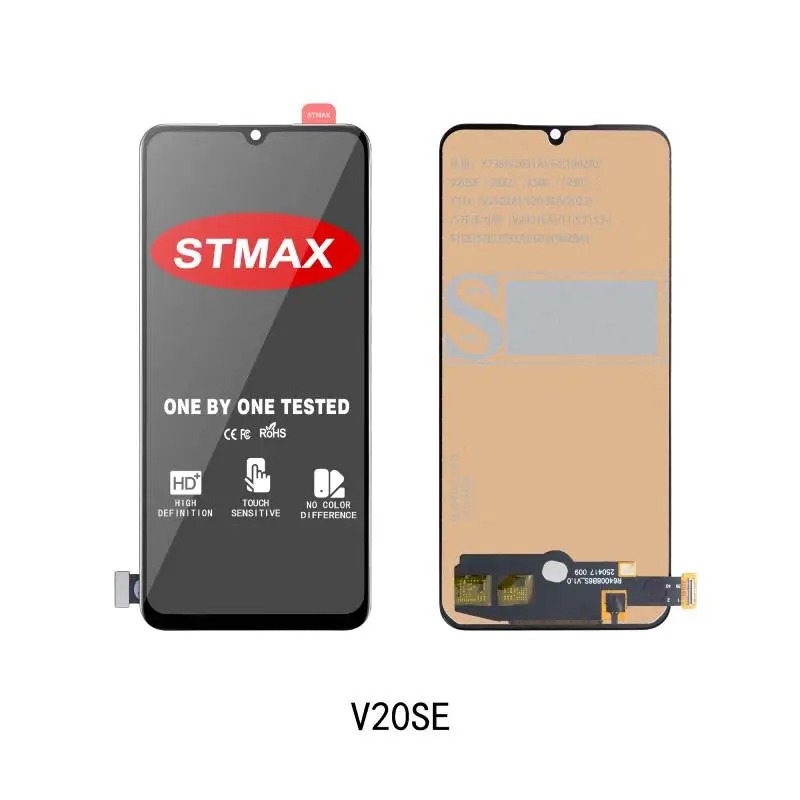
The display is the most frequently used component of any smartphone. Every tap, swipe, and visual interaction depends on the performance of the Phone Lcd Screen. As mobile devices become more advanced, LCD technology continues to provide a reliable and cost-effective solution for clear visuals and responsive touch control.
This article explains what a phone LCD screen is, how it works, its structure, common types, applications, and how to select a high-quality replacement or supplier.
What Is a Phone Lcd Screen?
A Phone Lcd Screen is a liquid crystal display module designed specifically for smartphones. It combines the display panel and touch sensing function into a compact structure that fits inside modern slim mobile devices.
The screen typically consists of multiple precision layers:
-
Protective cover glass
-
Capacitive touch digitizer
-
LCD panel
-
Backlight module
-
Polarizer films
-
Driver IC & flexible cable
-
Optical bonding adhesive (OCA/LOCA)
Because these layers are laminated together during manufacturing, replacing the entire module is faster and safer than repairing individual components.
How a Phone Lcd Screen Works
The working principle of a Phone Lcd Screen is based on light control and touch detection.
Display Mechanism
The backlight emits white light, and liquid crystals adjust their alignment when voltage is applied. Each pixel regulates light intensity through RGB filters, forming images and text.
Touch Mechanism
The digitizer detects electrical changes when a finger touches the surface. The phone processor converts these signals into commands such as typing, scrolling, or opening apps.
This integrated operation ensures smooth and accurate user interaction.
Types of Phone Lcd Screen
Different smartphones use different LCD structures depending on cost and performance requirements.
TFT Phone Lcd Screen
The most widely used type in replacement markets.
Features:
-
Stable brightness
-
Fast response
-
Affordable pricing
IPS Phone Lcd Screen
An improved LCD technology with better visual performance.
Advantages:
-
Wide viewing angles
-
Natural color reproduction
-
Comfortable viewing experience
High Brightness Phone Lcd Screen
Designed for outdoor visibility and professional handheld devices.
Applications:
-
Logistics scanners
-
Industrial handheld terminals
-
Rugged mobile phones
Common Problems and Replacement Needs
The Phone Lcd Screen is also the most vulnerable part of a smartphone.
Typical damages include:
-
Cracked glass after drops
-
Black spots caused by pressure
-
Touch failure from liquid exposure
-
Brightness reduction due to aging
Replacing the screen module restores device functionality without replacing the entire phone, making it the most common smartphone repair worldwide.
Advantages of Replacing a Phone Lcd Screen
Choosing replacement instead of a new device offers clear benefits.
Lower Cost
Significantly cheaper than buying a new smartphone.
Fast Repair
Usually completed within a short service time.
Environmental Friendly
Reduces electronic waste and extends product life.
Business Opportunity
High demand supports repair shops and distributors.
Applications Beyond Smartphones
Although primarily designed for mobile devices, Phone Lcd Screen technology is also used in:
-
Smart payment terminals
-
Portable scanners
-
Industrial handheld equipment
-
IoT smart terminals
Its durability and affordability make it suitable for multiple electronic products.
How to Choose a Reliable Phone Lcd Screen Supplier
A dependable supplier helps reduce return rates and improve customer satisfaction.
Quality Control
Look for brightness testing, touch testing, and aging inspection.
Compatibility Precision
Accurate connectors and calibration prevent installation issues.
Stable Supply Capacity
Consistent inventory supports long-term distribution.
Technical Support
Professional assistance helps identify models and solve installation problems.
Future Trends of Phone Lcd Screen
The Phone Lcd Screen continues improving to meet modern device requirements:
-
Higher brightness
-
Thinner modules
-
Lower power consumption
-
Better touch accuracy
-
Enhanced durability
Despite new display technologies emerging, LCD screens remain essential due to reliability and cost advantages.
Conclusion
The Phone Lcd Screen is a core component that determines smartphone usability and visual comfort. Reliable display performance ensures smooth interaction, clear images, and extended device lifespan.
For wholesalers, repair centers, and distributors, selecting high-quality phone LCD screens is crucial for reducing defects, improving customer satisfaction, and supporting sustainable business growth.