

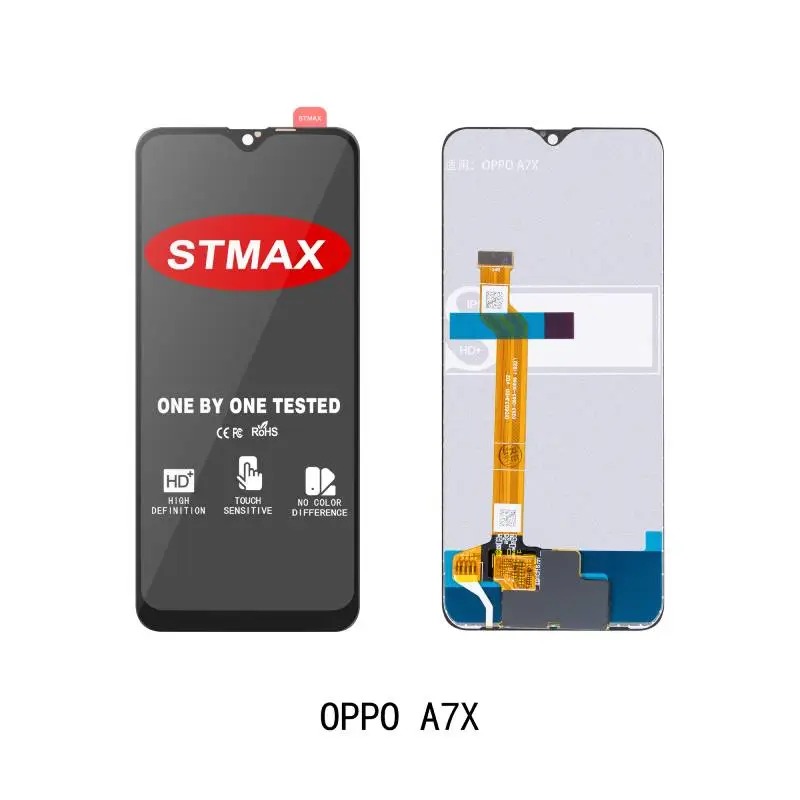
The LCD Display is a cornerstone of modern electronics, powering smartphones, tablets, industrial devices, and IoT equipment. It provides high-quality visuals, touch interaction (when combined with a digitizer), and reliable performance. Understanding LCD displays is crucial for repair businesses, distributors, manufacturers, and technology enthusiasts.
This article explains what an LCD display is, how it works, common types, applications, benefits, and tips for selecting high-quality displays.
What Is an LCD Display?
An LCD Display (Liquid Crystal Display) is a flat-panel display technology that uses liquid crystals to control light and produce images. When combined with backlighting, it can render bright, sharp, and accurate visuals for a variety of electronic devices.
Core components of an LCD display include:
- Liquid Crystal Panel – Aligns pixels to block or allow light.
- Backlight Module – Provides illumination for the display.
- Polarizers – Enhance clarity and contrast.
- Driver IC & Flex Cable – Connects the display to the device’s mainboard.
- Optional Touch Digitizer – For interactive screens.
The LCD display is widely valued for its clarity, energy efficiency, and cost-effectiveness compared to other display technologies.
How an LCD Display Works
The LCD Display operates by manipulating liquid crystals between two polarizing layers:
- Electrical signals from the driver IC control the orientation of liquid crystals.
- Liquid crystals either allow light to pass through or block it to form images.
- A backlight provides illumination for visibility.
- RGB filters create accurate colors for images and text.
When a touch layer is included, the display also functions as an input interface for users, combining visual output with touch interactivity.
Types of LCD Display
1. Standard LCD Display
- Common in budget and mid-range devices.
- Reliable performance and long lifespan.
- Stable brightness and color reproduction.
2. IPS LCD Display
- Improved viewing angles and color accuracy.
- Better outdoor visibility and consistent image quality.
3. Industrial LCD Display
- Designed for rugged environments.
- Wide operating temperature, anti-interference protection, and long operational lifespan.
4. Touch-Integrated LCD Display
- Combines LCD panel with a capacitive or resistive touch layer.
- Used in smartphones, tablets, kiosks, and industrial touch panels.
5. Custom LCD Display
- Designed for IoT, embedded systems, or specialized industrial applications.
- Can be customized for size, brightness, touch sensitivity, and interface type.
Applications of LCD Display
Consumer Electronics
- Smartphones, tablets, smart home panels
Industrial Equipment
- Handheld terminals, monitoring panels, control systems
Commercial Systems
- POS terminals, self-service kiosks, interactive signage
IoT Devices
- Smart meters, access control, embedded terminals
Automotive & Medical
- Dashboard displays, medical monitoring devices
Benefits of Using LCD Display
- High Visual Quality – Accurate colors and clear images.
- Energy Efficient – Consumes less power than older CRT displays.
- Durable and Reliable – Long lifespan with consistent performance.
- Wide Range of Applications – Consumer, industrial, commercial, and IoT devices.
- Cost-Effective – More affordable than OLED or other advanced technologies.
How to Choose a Reliable LCD Display Supplier
- Quality Standards – Ensure brightness, touch sensitivity, and uniformity tests.
- OEM or High-Quality Aftermarket – OEM displays match original device specifications.
- Production Capacity – Stable supply for repair centers, distributors, and manufacturers.
- Technical Support – Assistance with installation, troubleshooting, and model selection.
- Warranty & Certification – Confirms product reliability and supplier credibility.
Future Trends of LCD Display
- Higher resolution and improved brightness
- Thinner, lighter, and more durable panels
- Improved touch accuracy and haptic feedback integration
- Expansion into foldable, flexible, and embedded device applications
- Increased adoption in IoT and industrial automation
Conclusion
The LCD Display is a foundational component in modern electronics, delivering clear visuals, efficient energy usage, and reliable performance. High-quality LCD displays ensure device longevity, smooth operation, and improved user experience. For repair centers, distributors, and manufacturers, sourcing trusted LCD displays is essential for consistent performance, customer satisfaction, and business growth.