

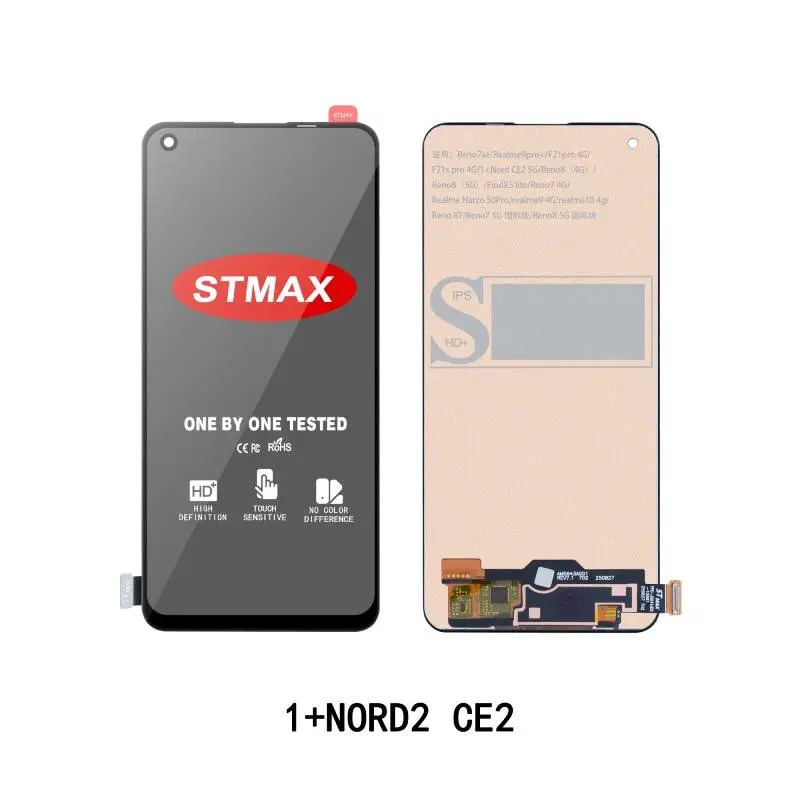
The LCD Assembly is a critical component in smartphones, tablets, industrial devices, and IoT equipment. It combines the LCD panel, touch digitizer, cover glass, backlight, and flexible connections into a single module, providing both display and touch functionality in one integrated solution.
This article explores what an LCD assembly is, its structure, types, applications, benefits, and how to choose a reliable supplier for replacement or manufacturing purposes.
What Is an LCD Assembly?
An LCD Assembly is a fully assembled display module ready for installation in a device. Unlike individual components, an assembly is factory-laminated to prevent installation errors and simplify the replacement process.
Key components of an LCD assembly include:
- LCD Panel – Displays images and videos with accurate colors.
- Touch Digitizer – Detects finger or stylus input for interactive use.
- Cover Glass – Protects internal components from scratches and impacts.
- Backlight Module – Provides uniform brightness for LCD panels.
- Driver IC & Flex Cable – Connects the display to the device motherboard.
- Optical Bonding Layers (OCA/LOCA) – Enhance clarity and touch sensitivity.
Using a complete LCD assembly ensures reliable performance, reduces defects, and simplifies device repair or production.
Types of LCD Assembly
1. Smartphone LCD Assembly
- Designed for specific phone models.
- Factory-calibrated brightness and color.
- Easy to replace, restoring original touch and display quality.
2. Tablet and Portable Device LCD Assembly
- Larger modules for tablets or media devices.
- High-resolution panels with responsive touch capabilities.
3. Industrial LCD Assembly
- Ruggedized for harsh environments.
- Wide operating temperature, vibration-resistant, and long lifespan.
4. Custom LCD Assembly
- Tailored for IoT devices, embedded systems, or specialized industrial equipment.
- Customizable in size, interface type, brightness, and touch sensitivity.
Benefits of Using an LCD Assembly
- Ease of Replacement – Integrated module simplifies installation.
- Reliable Performance – Factory-laminated components reduce failure rates.
- Cost-Efficient – Cheaper than sourcing individual components separately.
- Durability – Covers, bonding, and touch layers protect against damage.
- Wide Compatibility – OEM and high-quality assemblies ensure full device functionality.
Applications of LCD Assembly
Consumer Electronics
- Smartphones
- Tablets
- Smart home panels
Industrial Devices
- Handheld terminals
- Monitoring and control panels
- Automation devices
Commercial Equipment
- POS systems
- Self-service kiosks
- Interactive signage
IoT Devices
- Smart access systems
- Embedded terminals
- Smart meters and displays
How to Choose a Reliable LCD Assembly Supplier
- Quality Assurance – Ensure assemblies undergo brightness, touch sensitivity, and aging tests.
- OEM or High-Quality Aftermarket – OEM assemblies match original device performance; high-quality aftermarket assemblies are cost-effective.
- Production Capacity – Large monthly output ensures a stable supply for repair businesses and distributors.
- Technical Support – Suppliers should provide model matching, installation guidance, and troubleshooting.
- Warranty & Certification – Verify reliability and credibility.
Future Trends of LCD Assembly
- Thinner and lighter modules for slim devices
- Higher resolution and enhanced brightness
- Improved touch accuracy and haptic feedback
- Enhanced durability and scratch resistance
- Integration with foldable and flexible devices
LCD assemblies will remain a vital component in consumer, industrial, and IoT electronics for years to come.
Conclusion
The LCD Assembly is an essential module that integrates display and touch functionality into a single, durable component. High-quality assemblies ensure smooth performance, accurate visuals, and long-lasting reliability. For repair centers, distributors, and manufacturers, sourcing trusted LCD assemblies helps maintain device quality, reduce defects, and improve customer satisfaction.