

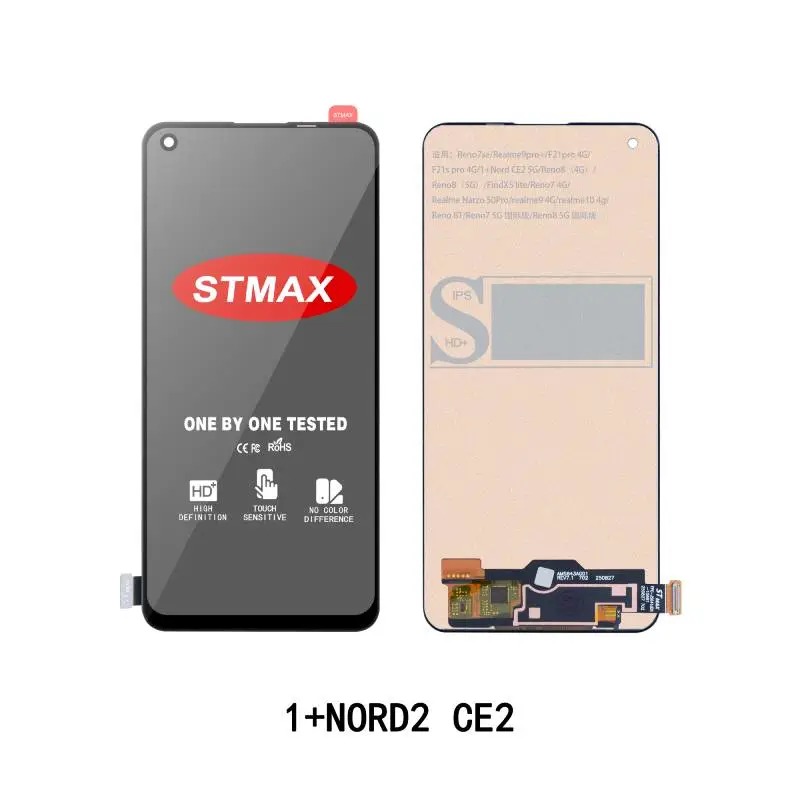
The LCD Touch Screen is one of the most widely used display technologies in smartphones, tablets, industrial devices, and IoT equipment. It combines visual display and touch input into a single interface, enabling intuitive interaction for users and seamless control in devices.
This article explores the structure, types, benefits, applications, and replacement considerations of LCD Touch Screens, helping businesses, repair centers, and distributors make informed decisions.
What Is an LCD Touch Screen?
An LCD Touch Screen integrates a liquid crystal display (LCD) panel with a touch-sensitive layer (digitizer). This combination allows the screen to show images while detecting finger or stylus input.
Key components include:
-
LCD Panel – Produces clear images and colors.
-
Touch Digitizer – Detects touch input and gestures.
-
Cover Glass – Protects the screen from scratches and impacts.
-
Backlight Module (for LCD) – Provides uniform brightness.
-
Driver IC & Flex Cable – Connects the screen to the device motherboard.
-
Polarizers and Optical Bonding Layers – Enhance clarity and touch responsiveness.
LCD touch screens are used across consumer electronics, industrial devices, and commercial equipment due to their reliability and affordability.
How LCD Touch Screens Work
Display Function
-
The LCD layer controls pixel alignment to produce images, using a backlight for illumination.
Touch Function
-
Capacitive or resistive layers detect touch, sending electrical signals to the device processor.
-
The processor interprets gestures such as taps, swipes, or multi-touch commands.
The integration of touch and display ensures fast, accurate interaction with the device.
Types of LCD Touch Screens
1. Capacitive Touch LCD Screens
-
Most common in smartphones and tablets.
-
Supports multi-touch gestures.
-
Highly responsive and durable.
2. Resistive Touch LCD Screens
-
Older technology, mainly used in industrial equipment.
-
Responds to pressure from fingers or stylus.
-
Cost-effective but less responsive than capacitive screens.
3. Industrial LCD Touch Screens
-
Designed for harsh environments.
-
Wide temperature range and anti-interference protection.
-
Long lifespan and reliable performance for continuous use.
4. Custom LCD Touch Screens
-
Tailored for IoT devices, embedded systems, or specialized equipment.
-
Customizable in size, interface, touch sensitivity, and brightness.
Applications of LCD Touch Screens
Consumer Electronics
-
Smartphones and tablets
-
Smart home panels
-
Portable media devices
Industrial Equipment
-
Automation controllers
-
Machine operation panels
-
Monitoring systems
Commercial Systems
-
POS terminals
-
Self-service kiosks
-
Interactive signage
IoT Devices
-
Smart access systems
-
Embedded controllers
-
Information displays
Benefits of LCD Touch Screens
-
Intuitive Interaction – Direct touch input is faster and easier than buttons.
-
Cost-Effective – Cheaper than OLED or other self-emissive touch displays.
-
Durable and Reliable – Long lifespan for consumer and industrial use.
-
Wide Compatibility – Supports multiple interfaces such as MIPI, LVDS, RGB, or UART.
-
Easy Replacement – Touch and display are integrated into one module for repair convenience.
How to Choose a Reliable LCD Touch Screen Supplier
-
Quality Assurance – Ensure screens undergo touch sensitivity, display uniformity, and aging tests.
-
OEM or High-Quality Aftermarket – OEM ensures near-original performance; high-quality aftermarket screens can be cost-effective alternatives.
-
Production Capacity – Stable monthly output supports repair businesses and distributors.
-
Technical Support – Assistance for model identification, installation, and troubleshooting.
-
Warranty and Certification – Verify reliability and supplier credibility.
Future Trends of LCD Touch Screens
-
Thinner, lighter modules for sleek designs
-
Higher resolution and improved brightness
-
Better touch accuracy and haptic feedback
-
Enhanced durability for scratches and drops
-
Expanded use in IoT, industrial, and commercial devices
Despite new technologies emerging, LCD Touch Screens remain a widely adopted and affordable solution for both consumer and industrial applications.
Conclusion
The LCD Touch Screen is a critical component for modern electronics, combining display and touch functionality into a single, durable interface. High-quality LCD touch screens provide accurate visuals, smooth interaction, and long-term reliability. For repair shops, distributors, and manufacturers, sourcing trusted suppliers ensures consistent performance, customer satisfaction, and business growth.