

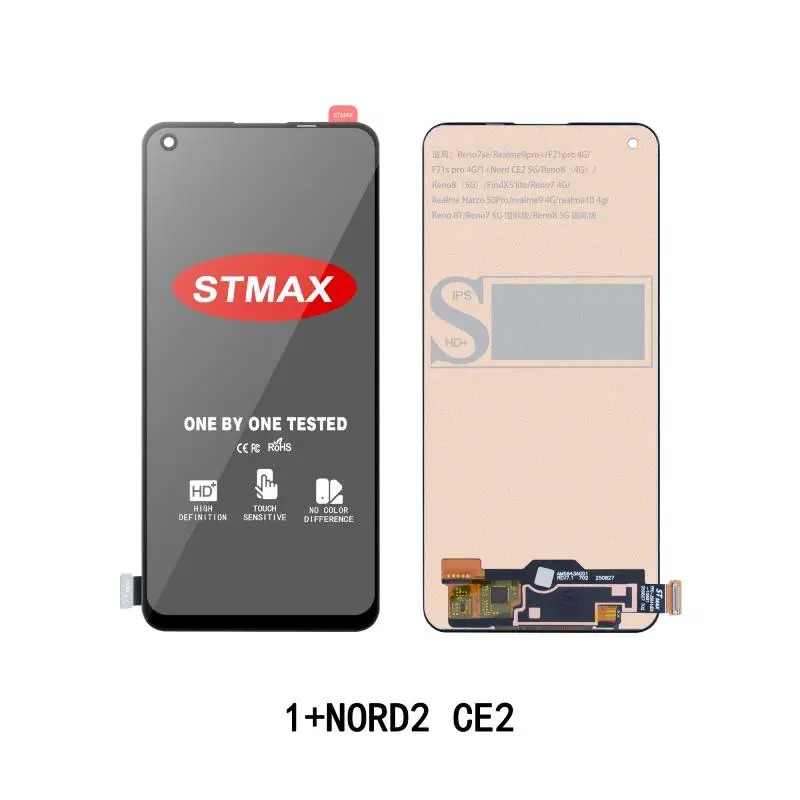
In modern smartphones, the display is more than just a visual component—it is the central interface for user interaction. The Mobile Display Assembly integrates display and touch functionality into a single module, making it the most important and frequently replaced part in mobile devices. As smartphones become thinner and more advanced, display assemblies continue to evolve in performance, durability, and ease of installation.
This article explores what a mobile display assembly is, its structure, types, applications, and how to choose a reliable supplier for long-term business success.
What Is a Mobile Display Assembly?
A Mobile Display Assembly is a complete, pre-assembled screen module used in smartphones. It combines multiple layers into one unit, allowing for direct replacement without separating individual components.
A standard mobile display assembly includes:
-
Display panel (LCD or similar technology)
-
Touch digitizer
-
Cover glass
-
Backlight module (for LCD screens)
-
Polarizer films
-
Driver IC and flexible cable (FPC)
-
Optical bonding layers (OCA/LOCA)
Because all components are factory-laminated, installation becomes faster, safer, and more efficient compared to repairing separate parts.
Importance of Mobile Display Assembly in the Repair Market
The global smartphone repair industry relies heavily on Mobile Display Assembly products. Accidental drops, pressure damage, and daily wear make screen replacement one of the most common repair services.
High-quality assemblies provide:
-
Smooth and accurate touch response
-
Consistent brightness and color performance
-
Reliable durability
-
Reduced installation failure rate
For wholesalers and repair businesses, stable quality and supply are essential to minimize returns and improve customer satisfaction.
Types of Mobile Display Assembly
Different devices and use cases require different display specifications.
1. Standard Smartphone Display Assembly
Designed for everyday smartphone models and replacement markets.
Features:
-
Precise fit for specific models
-
Slim structure
-
Easy installation
-
Cost-effective production
2. High-Performance Display Assembly
Used in higher-end or performance-focused devices.
Advantages:
-
Better brightness and clarity
-
Enhanced touch sensitivity
-
Improved visual experience
3. Industrial Mobile Display Assembly
Used in rugged handheld devices and professional equipment.
Characteristics:
-
Wide temperature tolerance
-
Long operational lifespan
-
Anti-interference design
-
Strong durability
4. Customized Display Assembly
Manufacturers can tailor assemblies for IoT devices or specialized equipment, including size, brightness, and interface adjustments.
Manufacturing Process of Mobile Display Assembly
Producing a high-quality Mobile Display Assembly requires strict process control.
Material Inspection
All components are tested for defects before production.
Cleanroom Lamination
Optical bonding is performed in dust-free environments to avoid bubbles and contamination.
Functional Testing
Each assembly undergoes:
-
Display quality inspection
-
Touch sensitivity testing
-
Aging and durability tests
-
Brightness calibration
Packaging and Delivery
Shock-resistant packaging ensures safe international transportation.
Applications of Mobile Display Assembly
The use of mobile display assemblies extends beyond smartphones.
Consumer Electronics
-
Smartphones
-
Tablets
-
Smart home control panels
Industrial Devices
-
Handheld terminals
-
Data collection devices
-
Automation control systems
Commercial Equipment
-
POS systems
-
Self-service kiosks
-
Smart payment devices
IoT Applications
-
Smart terminals
-
Access control systems
-
Embedded devices
In all these applications, the display assembly serves as the primary human-machine interface.
How to Choose a Reliable Mobile Display Assembly Supplier
Selecting the right supplier is crucial for product quality and business growth.
Quality Assurance
Look for suppliers with strict testing procedures and consistent batch quality.
Production Capacity
High output ensures stable supply and timely delivery.
Compatibility Accuracy
Precise connectors and calibration prevent installation issues.
Technical Support
Reliable suppliers provide guidance on model selection and installation.
Future Trends of Mobile Display Assembly
The Mobile Display Assembly industry continues evolving to meet market demand:
-
Thinner and lighter modules
-
Higher brightness and resolution
-
Lower power consumption
-
Improved durability and scratch resistance
-
Better integration with touch and smart features
As smartphones and smart devices expand, demand for high-quality display assemblies will continue to grow globally.
Conclusion
The Mobile Display Assembly is a critical component that determines the performance and usability of modern smartphones and smart devices. High-quality assemblies ensure clear visuals, responsive touch, and long-term reliability.
For distributors, repair businesses, and manufacturers, choosing a trusted mobile display assembly supplier is essential to reduce defects, improve customer satisfaction, and achieve sustainable business growth.