

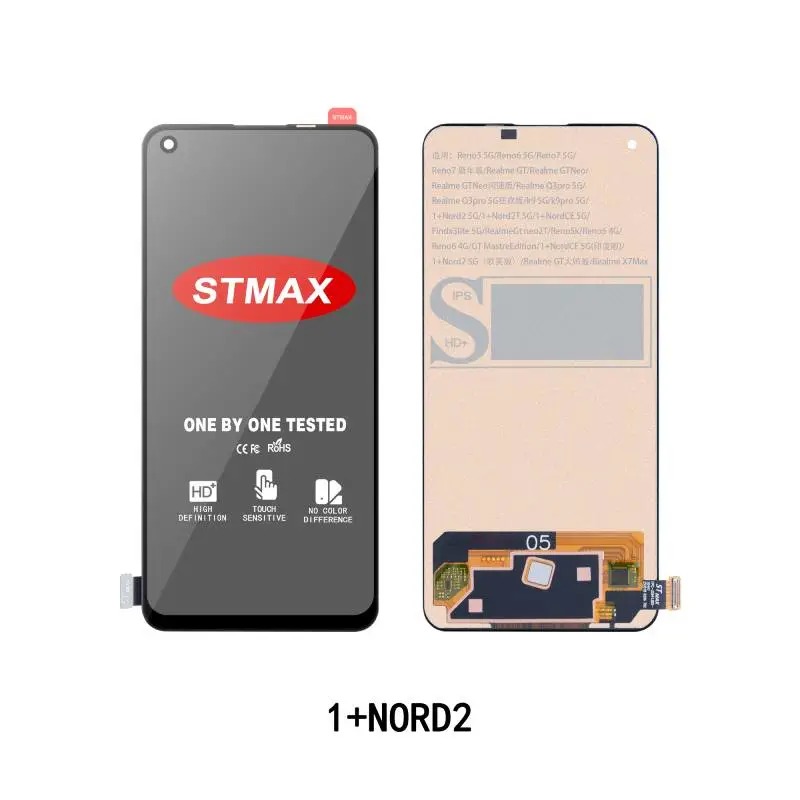
The Smartphone Display Screen is the most crucial component of a mobile device, serving as both the visual interface and touch input mechanism. From reading messages to browsing apps, every interaction relies on the display. Over time, screens may crack, dim, or lose responsiveness, making understanding, maintaining, and replacing the Smartphone Display Screen essential for users, repair centers, and distributors.
This article explores the structure, types, applications, replacement options, and tips for selecting high-quality smartphone display screens.
What Is a Smartphone Display Screen?
A Smartphone Display Screen is an integrated module that combines visual output and touch input. Modern screens are multi-layer assemblies designed for durability, color accuracy, and responsive touch.
Key components include:
-
Protective cover glass – Scratch-resistant surface
-
Touch digitizer – Detects finger movements and gestures
-
LCD or OLED panel – Generates the images
-
Backlight module (for LCD screens) – Provides illumination
-
Polarizer and optical bonding layers – Enhance clarity
-
Driver IC and flex cable – Connects the display to the phone’s motherboard
Using high-quality screens ensures that the device functions as originally intended by the manufacturer.
How a Smartphone Display Screen Works
The Smartphone Display Screen combines two essential functions:
-
Display Function
-
Pixels control the light output using LCD technology or self-emissive OLED layers.
-
RGB color filters create accurate colors, while backlighting illuminates the screen for LCDs.
-
-
Touch Function
-
Capacitive or resistive touch layers detect finger input.
-
Signals are processed by the phone’s controller to register taps, swipes, or gestures.
-
The integration of display and touch ensures smooth, accurate, and responsive device operation.
Types of Smartphone Display Screen
Different smartphones use different display technologies depending on price, performance, and brand preferences.
1. LCD Smartphone Display Screen
-
Most common and cost-effective option.
-
Provides bright, stable visuals and long lifespan.
-
Less prone to burn-in than OLED.
2. IPS LCD Display
-
Improved LCD technology with wider viewing angles.
-
Delivers better color reproduction and outdoor visibility.
3. OLED/AMOLED Smartphone Display Screen
-
Self-emissive technology, offering deep blacks and high contrast.
-
Flexible and thinner designs for premium smartphones.
-
Requires careful handling due to sensitivity to pressure and burn-in.
Common Issues Requiring Smartphone Display Screen Replacement
Even high-quality screens can be damaged over time due to:
-
Accidental drops causing cracks or shattered glass
-
Liquid exposure leading to touch failure or discoloration
-
Dead pixels or uneven backlighting
-
Aging causing dim brightness or color degradation
Replacing the screen restores full functionality without replacing the entire device.
Benefits of Smartphone Display Screen Replacement
-
Cost-effective – Cheaper than buying a new device.
-
Fast repair – Can often be completed within an hour.
-
Improved performance – Restores original touch sensitivity and display quality.
-
Eco-friendly – Reduces electronic waste.
-
Customer satisfaction – High-quality replacement screens increase trust for repair services.
Applications Beyond Consumer Use
While primarily designed for smartphones, display technology is also applied in:
-
Tablets and portable media devices
-
Smart home control panels
-
Industrial handheld terminals
-
POS systems and kiosks
-
IoT smart devices
Durable and reliable screens ensure consistent performance across all these applications.
How to Choose a Reliable Smartphone Display Screen Supplier
When selecting replacement or original screens, consider:
-
Original or high-quality aftermarket screens – Ensure color accuracy and touch response.
-
Multi-stage quality testing – Check for brightness, touch sensitivity, and dead pixels.
-
Compatibility – Precise connectors and calibration for the specific model.
-
Technical support – Supplier assistance for installation or troubleshooting.
Future Trends of Smartphone Display Screen
-
Higher resolution and sharper visuals
-
Thinner and lighter screen modules
-
Lower power consumption for longer battery life
-
Improved touch and haptic feedback integration
-
Durability improvements to reduce cracks and scratches
Despite new technologies, LCD and OLED screens remain the foundation of smartphone visual interfaces.
Conclusion
The Smartphone Display Screen is the heart of mobile interaction, affecting usability, touch response, and visual quality. Replacing damaged screens with high-quality modules restores device performance and extends lifespan. For repair businesses, distributors, and end-users, selecting reliable screens ensures customer satisfaction, device longevity, and consistent quality.